Master the Art of Pickling: Your Comprehensive Guide to Food Preservation Techniques
Explore the Pickling Process and Discover Its Numerous Advantages
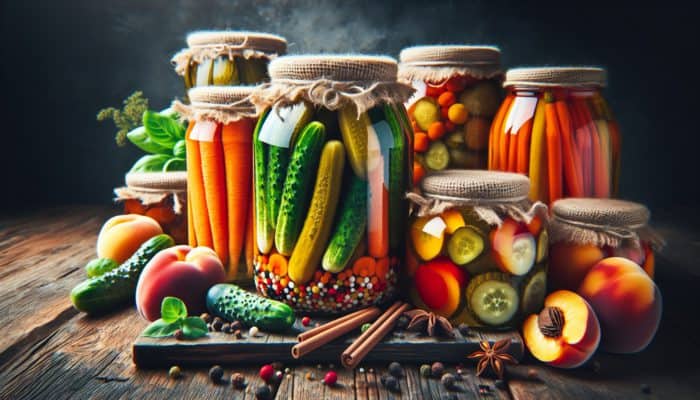
Pickling is a time-honoured and essential technique for food preservation, employing an acidic solution—most frequently vinegar or brine—to extend the shelf life of various food items. This pickling process not only enhances the flavour of the ingredients but also contributes a unique texture that many culinary enthusiasts cherish. A wide range of fruits and vegetables, including Cucumbers, carrots, and even peaches, can be transformed into delightful pickled creations. The key to successful pickling lies in achieving a harmonious balance between acidity, sugar, and spices, which together create a rich flavour profile that tantalises the palate.
- Cucumbers
- Carrots
- Beets
- Green beans
- Cauliflower
- Onions
- Garlic
- Fruits (such as peaches and watermelon)
Around the world, diverse cultures have embraced the art of pickling, solidifying it as a universal method for food preservation. From enjoying pickled kimchi in Asia to relishing tangy sour gherkins in Europe, the tradition of pickling has been passed down through generations, highlighting its importance in enhancing flavour and ensuring safe food practices.
Gather the Essential Tools for Successful Home Pickling Projects
Before you embark on your exciting adventure into the realm of pickling, it’s crucial to gather the necessary equipment that will streamline your home pickling experience. Having the right tools not only simplifies the process but also ensures your safety during this culinary journey. Here’s a detailed list of indispensable equipment to consider:
- Glass jars with secure lids
- Large pot for sterilisation
- Tongs
- Funnel
- Measuring cups and spoons
- Thermometer (to check brine temperature)
- Cutting board and knife
- Labels for storage
Glass jars are highly recommended as they do not react with acidic solutions, allowing you to easily monitor the contents. It is essential to sterilise jars to prevent contamination and spoilage; therefore, sterilising your jars in boiling water before use is advisable. The funnel proves invaluable for pouring brine without spills, ensuring a clean and efficient process. As you set up your pickling station, keeping these tools organised will enhance your experience, allowing you to focus on crafting delicious pickles.
Implement Critical Safety Protocols for Successful Home Pickling
Ensuring safety during the pickling process is of utmost importance, as improper techniques can lead to spoilage and potential foodborne illnesses. Following hygiene practices and grasping the significance of sterilisation is essential for safe pickling. Always start with fresh, high-quality ingredients to guarantee optimal results. Here are some vital safety measures to keep in mind:
- Thoroughly wash your hands and all equipment.
- Use only fresh, unblemished produce.
- Follow established recipes for accurate vinegar concentrations.
- Store pickles in the refrigerator if they are not processed.
- Monitor for signs of spoilage, such as unusual smells or mould.
- Employ appropriate sealing methods for jars to prevent contamination.
- Label jars with dates and contents for easy tracking.
- Educate yourself on safe canning practices if you’re new to pickling.
By implementing these precautions, you not only extend the shelf life of your pickled products but also ensure their safety for consumption. Remember, being an informed pickler leads to successful pickling, so invest time in learning about food safety for a fulfilling and worry-free pickling experience.
Proven Techniques for Achieving Successful Home Pickling
Utilise Expert-Recommended Methods for Optimal Pickling Results
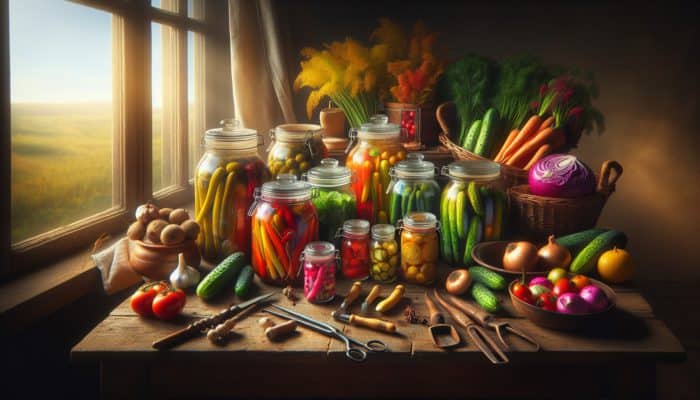
For home pickling, seasoned experts typically advocate for two primary methods: the water bath canning method and the fermentation method. Each technique offers unique benefits and caters to various flavour profiles and preservation preferences. The water bath canning method is particularly suitable for high-acid foods, such as cucumbers, as it effectively eliminates harmful bacteria through boiling, ensuring safety.
Conversely, the fermentation method leverages the natural bacteria present on vegetables, resulting in a tangy and probiotic-rich pickle that can significantly enhance gut health. For instance, traditional Korean kimchi exemplifies the rich flavours achievable through this technique. Real-world applications of these methods highlight the vast diversity of pickling—from the crisp, tangy dill pickles of North America to the spiced, fermented vegetables prevalent in Asian cuisines; the possibilities are endless. Choose a method based on your desired outcome—whether it be a quick, safe preserve or a complex, flavourful ferment.
Selecting Top-Quality Ingredients for Pickling Success
Your pickling success largely depends on the quality of your ingredients. Choosing fresh, high-quality produce is non-negotiable. Opt for seasonal ingredients to ensure peak flavour and optimal texture. When selecting vinegar or brine, remember that different types can drastically influence the taste of your pickles. Here’s how to ensure you select the finest ingredients:
- Inspect produce for firmness and freshness.
- Choose organic options where feasible to avoid pesticides.
- Experiment with various vinegars (white, apple cider, rice vinegar).
- Consider using sea salt instead of table salt for enhanced flavour.
- Add spices that harmonise with your main ingredient (e.g., dill with cucumbers).
- Seasonal ingredients often yield the most vibrant flavours.
- Research local varieties for unique tastes.
- Trust your palate—choose what tastes best to you.
By meticulously selecting your ingredients, you not only enhance the flavour of your pickles but also engage in sustainable practices by supporting local markets and consuming seasonal produce. This thoughtful approach to ingredient selection elevates your pickling to new heights of culinary creativity.
Avoid Common Pitfalls in Your Pickling Journey
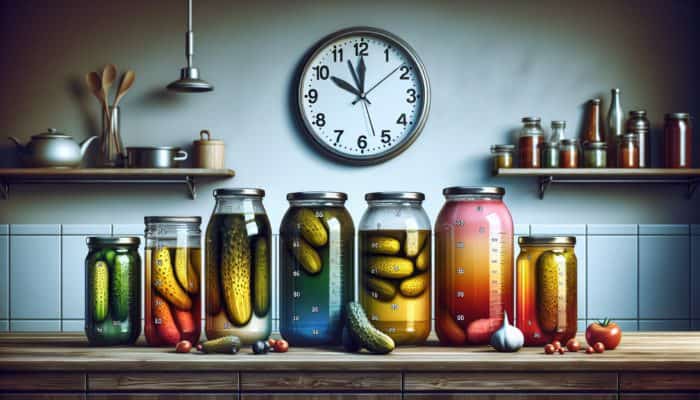
As you embark on your pickling journey, being aware of several common mistakes can significantly enhance your results. Recognising these common pitfalls is essential for achieving the best possible pickles. Overfilling jars is a frequent error; it restricts the brine’s ability to circulate and fully flavour the ingredients. Additionally, neglecting proper sterilisation can jeopardise safety and freshness.
Another common mistake involves using vinegar with insufficient acidity levels, which fails to adequately preserve the food. The appropriate vinegar concentration is critical; generally, a 5% acidity level is considered safe for pickling. Moreover, neglecting to allow sufficient time for flavours to meld can result in bland pickles. Understanding these pitfalls empowers you to refine your technique and produce pickles that not only taste fantastic but are also safe for consumption. Adjust your methods, keep experimenting, and you’ll discover your path to pickling perfection.
Elevate the Flavour of Your Pickled Foods
Discover the Best Spices and Herbs for Enhancing Pickling Flavours
Spices and herbs play a crucial role in flavour development during pickling, enabling you to create a depth of taste that elevates your pickled products. Popular choices include <a href=”https://cookinggods.com/top-tips-for-poaching-fish-in-broth-a-culinary-guide/”>dill</a>, mustard seeds, garlic, and peppercorns. Each of these ingredients imparts its unique flair and can be combined in various ways to craft distinctive flavour profiles.
Dill is a classic choice for cucumber pickles, imparting a fresh, herbaceous note that complements the natural sweetness of the cucumbers. Mustard seeds contribute mild heat and crunch, making them a fantastic enhancement for various pickles. Garlic adds a robust flavour, while peppercorns introduce a slight bite that enriches the overall complexity. When experimenting with spices, consider these tips:
- Begin with small quantities and adjust to your taste.
- Combine spices for a distinctive blend (e.g., dill, garlic, and coriander).
- Infuse the brine with spices for an aromatic experience.
- Keep records of combinations that work well together.
Experimentation is vital for discovering your favourite flavour profiles. Don’t hesitate to explore unconventional herbs or spices, as the realm of pickling is open to innovation. By trying different combinations, you can create pickles that are uniquely yours.
Add Sweetness to Your Pickles for a Balanced Taste
Absolutely! Incorporating sweetness into pickles is not only feasible but can also elevate the overall flavour profile by creating a delightful balance between sweet and tangy. Ingredients like sugar or honey can complement the acidity of vinegar and contribute depth to the taste. This balance is particularly enjoyable in recipes such as bread and butter pickles, where sweetness is a defining feature.
When adding sweetness, it’s essential to determine the right amount. Excessive sweetness can overpower the pickles, while too little might leave them lacking. Start with small quantities and adjust according to your taste preferences. Consider using different types of sweeteners for varied effects; for instance, honey imparts a floral note, while brown sugar adds depth and a hint of caramelisation. Here are some suggestions for achieving the right balance of sweetness:
- Pair sweetness with spices for added complexity (e.g., cinnamon or cloves).
- Utilise natural sweeteners to maintain a healthier profile.
- Test and adjust during the pickling process.
- Consider the main ingredient’s flavour when introducing sweetness.
By thoughtfully incorporating sweet elements, you can create a harmonious taste that appeals to diverse palates, enhancing the enjoyment of your pickled creations.
Determine the Optimal Fermentation Time for Maximum Flavour
The duration of fermentation for pickles can vary widely depending on the recipe and your desired flavour profile. Typically, this timeframe can range from a few days to several weeks. Longer fermentation allows for deeper flavour development and complexity, making it a vital factor in achieving the ideal pickle. For instance, traditional dill pickles usually require a minimum of a week, while lacto-fermented varieties might need a more extended period to cultivate beneficial bacteria.
During the fermentation phase, tasting your pickles regularly is essential. This practice helps you monitor flavour development and determine when they reach your preferred level of tanginess. Keep in mind that warmer conditions can accelerate fermentation, while cooler environments will slow it down. Here are some guidelines for successful fermentation:
- Look for bubbles—this indicates active fermentation.
- Utilise a weight or lid to keep vegetables submerged in brine.
- Store in a cool, dark location away from direct sunlight.
- Taste regularly to track flavour changes.
Patience is key in this process; waiting for the right moment can lead to a rewarding explosion of flavour in your pickles. The beauty of fermentation lies in its unpredictability and the artisanal touch it adds to your pickles.
The Importance of Vinegar Selection in Pickle Flavour
The type of vinegar you select significantly affects the overall flavour of your pickles. Various vinegars, such as white vinegar, apple cider vinegar, and rice vinegar, each impart distinct characteristics and flavour nuances. For example, white vinegar is sharp and clean, making it an ideal choice for traditional pickles, while apple cider vinegar offers a fruity undertone that enhances the natural flavours of the produce.
Rice vinegar, however, is milder and slightly sweet, making it perfect for pickling Asian-inspired vegetables. Each vinegar type can transform your pickling experience, making it worthwhile to experiment with different options. Here are some factors to keep in mind when selecting vinegar:
- Match the vinegar flavour with the main ingredient (e.g., apple cider with apples).
- Consider acidity levels—aim for at least 5% acidity.
- Opt for organic vinegars for a more robust flavour.
- Experiment by blending different vinegars for a unique taste.
By understanding how vinegar affects flavour, you can tailor your pickling recipes to create delightful and complex profiles that make your pickles stand out. Whether you prefer a sharp crunch or a sweet tang, the right vinegar can be transformative in your pickling journey.
How Brine Strength Affects Pickle Flavour and Preservation
Absolutely, the strength of your brine—specifically the salt concentration—has a significant impact on the final flavour and preservation of your pickles. A higher salt concentration can enhance the flavour and texture of the pickles, providing a satisfying crunch while effectively preventing spoilage due to its preservative qualities. Achieving the right balance of salt is critical; too little can lead to bland pickles, while too much can make them inedible.
Typically, a brine solution consists of a ratio of water to vinegar and salt, and finding that optimal balance is essential. Many recipes suggest a brine strength of 2-3 tablespoons of salt per quart of liquid. However, preferences can vary based on regional tastes; for instance, a southern-style pickle might favour a sweeter, less salty brine. Here’s how to effectively manage brine strength:
- Start with standard recipes for guidance and adjust as needed.
- Experiment with different salts—kosher, sea, or pickling salt.
- Consider the overall flavour balance in your final product.
- Monitor brine concentration throughout the pickling process.
Understanding brine strength not only improves the preservation of your pickles but also contributes to the overall sensory experience of your pickled foods. Mastering this aspect will enable you to create pickles that are bursting with flavour and perfectly preserved.
Uncover the Many Benefits of Home Pickling
Do Pickled Foods Effectively Retain Nutrients?
Yes, pickling can effectively preserve nutrients, particularly when vinegar is used. Many vitamins and minerals found in fruits and vegetables, such as vitamin C and antioxidants, are retained during the pickling process. This characteristic makes pickled foods not only a delightful addition to meals but also a nutritious one. For example, pickled cucumbers can maintain their vitamin content while providing beneficial probiotics in fermented varieties.
Moreover, this preservation method allows you to enjoy seasonal produce throughout the year. By pickling your summer harvest, you can savour the flavours of fresh vegetables even during the coldest months. This aspect of pickling offers a sustainable approach to maintaining a healthy diet while reducing food waste. Here’s why preserving nutrients through pickling is advantageous:
- Retains vitamins and minerals compared to other preservation methods.
- Provides a source of probiotics in fermented varieties.
- Allows enjoyment of seasonal produce out of season.
- Can enhance overall diet quality with healthy additions.
By incorporating pickled foods into your meals, you not only enhance flavour but also contribute to a balanced, nutrient-rich diet. This makes pickling an appealing option for health-conscious individuals eager to explore new culinary techniques.
Is Pickling an Economical Method for Food Preservation?
Absolutely, pickling can be a highly economical way to preserve food. By taking advantage of seasonal produce, you can benefit from lower prices and abundant supplies. Making large batches of pickles maximises your investment, allowing you to buy in bulk during peak seasons and create delicious preserves that can be enjoyed throughout the year.
Furthermore, pickling helps prevent food waste by enabling you to utilise surplus vegetables from your garden or local markets. This practice not only saves money but also encourages resourcefulness in the kitchen. Here are a few ways pickling can lead to significant savings:
- Utilise leftover vegetables that might otherwise spoil.
- Purchase seasonal produce at lower prices.
- Create large batches for long-term storage.
- Reduce grocery bills by making your own condiments.
The financial benefits of pickling extend beyond immediate savings; it’s a sustainable practice that fosters a deeper appreciation for food and encourages mindful consumption. Engaging in this rewarding activity can lead to tangible savings on your grocery bills while simultaneously enhancing your culinary skills.
Is Pickling an Environmentally Friendly Practice?
Yes, pickling aligns beautifully with environmentally conscious practices. It diminishes food waste by preserving excess produce that might otherwise be discarded. Additionally, by making your pickles, you eliminate the need for commercial packaging, which often involves plastic and contributes to environmental pollution.
Home pickling is a sustainable method of food preservation that supports local farmers and markets by promoting seasonal consumption. By purchasing fresh, local produce for your pickling endeavours, you contribute to a more sustainable food system. Here’s how pickling can promote environmental responsibility:
- Minimises food waste by preserving surplus produce.
- Reduces reliance on single-use plastic packaging.
- Encourages the use of seasonal and local ingredients.
- Supports a circular economy through food preservation.
Engaging in pickling not only benefits your palate but also your planet. By choosing to pickle at home, you actively participate in a movement toward sustainability, making a positive impact on your environment.
Can Pickling Enhance the Flavour Profile of Foods?
Yes, pickling can significantly elevate the flavour of food, transforming ordinary ingredients into extraordinary culinary delights. By incorporating elements like vinegar, salt, and various spices, pickling creates complex profiles that enrich the taste of dishes. A well-crafted pickle can enhance anything from sandwiches to salads, providing a zesty contrast that excites the palate.
The art of pickling allows for creativity and experimentation, enabling you to customise flavours to suit your preferences. Whether you’re seeking something tangy, sweet, or spicy, pickling offers a versatile method to enhance your meals. Here are some ways pickling enhances food flavour:
- Brings out the natural sweetness in vegetables.
- Provides a tangy contrast to rich dishes.
- Can be paired with meats and cheeses for balance.
- Offers a unique twist to classic recipes.
By embracing the flavours of pickling, you can transform humble ingredients into flavourful companions that enrich your culinary repertoire. This versatility makes pickled foods a valuable addition to any kitchen.
Is Pickling an Accessible and Enjoyable Activity for Home Cooks?
Indeed, pickling is a straightforward and enjoyable activity that anyone can undertake at home with minimal equipment. The process is accessible, allowing individuals to explore their culinary creativity without the need for extensive training or complex machinery. With just a few jars, some fresh produce, and a basic brine recipe, you can start making delicious pickles in no time.
Furthermore, pickling is a fun way to engage with family and friends, fostering creativity and culinary exploration. It encourages experimentation with flavours and ingredients, making it a fulfilling hobby for anyone interested in cooking. Here are some aspects that highlight the simplicity of pickling:
- Minimal equipment required for successful pickling.
- Easy-to-follow recipes available for beginners.
- Quick process with rewarding results.
- Accessible to anyone, regardless of cooking skill level.
With its approachable nature and engaging process, pickling can become a beloved ritual in your home. It invites you to explore diverse flavours while preserving the best of seasonal produce, making it a delightful and rewarding activity.
Effective Strategies for Mastering Home Pickling Techniques
Ensure Consistent Results in Your Pickling Endeavours
To achieve consistent results in pickling, precision is crucial. Following recipes carefully and maintaining stable temperatures throughout the process ensures that your pickles turn out perfectly every time. This meticulous attention to detail not only enhances the quality of your pickles but also builds your confidence as a pickler.
Utilising a trusted recipe as your guide is essential. Make sure to measure ingredients accurately and follow specified cooking times. Furthermore, maintaining a stable temperature during the pickling process optimises the flavours and preservation qualities of your pickles. Here are several strategies for achieving consistent results:
- Keep a kitchen scale for precise measurements.
- Utilise a thermometer to monitor brine temperatures.
- Document your processes and adjustments for future reference.
- Adhere to standard recipes until you’re comfortable experimenting.
By implementing these strategies, you can produce pickles that maintain their quality and flavour over time. Consistency in your approach will not only yield better results but also enhance your overall pickling experience.
Adopt Best Practices for Storing Your Pickled Foods
Proper storage practices are essential for preserving the quality and longevity of your pickles. Ideally, store them in a cool, dark place, as exposure to light and heat can diminish the flavour and texture over time. Additionally, refrigeration is advisable for extending shelf life, especially for fermented varieties that require consistent cool temperatures.
When storing pickles, ensure that jars are tightly sealed to prevent contamination and spoilage. Be vigilant for any signs of spoilage, such as off smells or texture changes. Here are some optimal practices for pickle storage:
- Store in a cool, dark pantry or refrigerator.
- Label jars with dates and contents for easy identification.
- Avoid exposure to direct sunlight or heat sources.
- Check for signs of spoilage before consumption.
By following these storage practices, you can enjoy your pickles at their best quality for an extended period. Proper storage ensures that all your hard work in the kitchen translates into delicious, flavourful results when it’s time to savour your pickled creations.
Troubleshoot Common Pickling Issues for Enhanced Results
Addressing common pickling issues is a vital skill for anyone aiming to refine their pickling techniques. If your pickles are excessively soft, it may indicate insufficient acidity levels or over-processing. Conversely, if they turn out too salty, you might need to adjust your brine concentration in future batches. Recognising these common issues will not only enhance your current batch but also improve your skills as a pickler.
Tasting your pickles regularly throughout the process can help identify issues early, allowing for necessary adjustments. Here are some tips for troubleshooting common pickling challenges:
- Check acidity levels if pickles are too soft.
- Adjust brine strength for optimal saltiness.
- Monitor fermentation times to avoid over-fermentation.
- Maintain thorough notes on each batch to identify patterns.
By being proactive in troubleshooting, you can continually improve your pickling techniques and produce consistently delicious results. This iterative process fosters growth in your culinary skills and deepens your understanding of the art of pickling.
Discover Top Vegetables Ideal for Pickling
When it comes to pickling, certain vegetables excel due to their flavour, texture, and ability to absorb brine effectively. Cucumbers stand out as the quintessential pickling vegetable, often chosen for their crispness and versatility. However, many other vegetables shine in the pickling process, transforming into delightful treats that pair beautifully with various dishes.
Green beans, carrots, and cauliflower are also excellent candidates for pickling, each contributing unique textures and flavours to the jar. Fresh, firm vegetables yield the best results, as they can withstand the pickling process without becoming mushy. Here are some vegetables particularly suited for pickling:
- Cucumbers
- Green beans
- Carrots
- Cauliflower
- Radishes
- Turnips
- Beets
- Onions
Selecting the appropriate vegetables not only enhances your pickling success but also adds variety to your culinary creations. Each vegetable offers a distinct taste and texture, allowing you to explore the exciting world of pickling and discover new flavours that are sure to impress.
How to Experiment with Unique Flavours in Your Pickling
Experimenting with flavours is an exhilarating aspect of the pickling process that enables you to create unique and exciting combinations. Adding various herbs and spices, such as dill or mustard seeds, can introduce new dimensions to your pickles, making the experience more enjoyable and personalised. The beauty of pickling lies in its versatility; there are no strict rules, allowing you to explore and innovate.
When experimenting, consider starting with a basic recipe and gradually introducing new elements. Tasting throughout the process can help you determine the ideal balance of flavours. Here are some strategies for flavour experimentation:
- Incorporate citrus zest or juice for brightness.
- Add spicy ingredients like chili flakes for heat.
- Mix and match different herbs to discover your signature blend.
- Use infused vinegars for added complexity.
Being adventurous with flavours allows you to create pickles that reflect your personal taste, making the process not only rewarding but also deeply satisfying. The thrill of discovery will keep you engaged in the art of pickling for years to come.
Creative Applications for Pickled Foods in Cooking
Incorporate Pickles into Your Culinary Creations
Yes, pickles can serve as a versatile ingredient in cooking, injecting a burst of flavour into a variety of dishes. Their tangy and zesty notes can elevate sandwiches, salads, and even soups, making them a valuable addition to your culinary repertoire. Integrating pickles into your meals allows for a creative twist, transforming familiar recipes into exciting new offerings.
For instance, consider adding pickles to a classic potato salad to introduce a delightful crunch and tang. Chop them up and mix them into coleslaw for an unexpected flavour boost, or use them as a garnish for burgers to enhance the overall experience. Here are some ideas for incorporating pickles into your cooking:
- Chop and add to sandwiches for extra crunch.
- Mix into salads as a flavour-packed component.
- Incorporate into dips like tzatziki or creamy dressings.
- Use as a topping on tacos or nachos.
By creatively incorporating pickles into your cooking, you can enhance the overall flavour profile of your dishes, providing your family and friends with new and exciting culinary experiences that will leave them wanting more.
Include Pickles in Your Snack Options
Pickles make an excellent addition to snacks, providing a zesty twist that can awaken your palate. Whether enjoyed independently or paired with other ingredients, pickled vegetables can be a healthy and flavorful snacking option. Their crunchiness and flavour make them a delightful complement to cheese, crackers, or even charcuterie boards.
For example, pairing pickled vegetables with a selection of cheeses creates a harmonious balance of flavours that enhances the overall snacking experience. You can also add sliced pickles to a charcuterie board, offering a refreshing contrast to cured meats. Here are some creative ways to incorporate pickles into your snacks:
- Serve pickles alongside cheese and crackers.
- Include in a veggie platter with dips.
- Wrap pickles in prosciutto or deli meats.
- Top avocado toast with sliced pickles for a tangy kick.
By creatively incorporating pickles into your snacks, you can enjoy their vibrant flavours while making them a staple in your snack rotation. With their versatility, pickled foods can elevate simple gatherings into memorable tasting experiences.
Explore Unique Pickle Recipes for Culinary Adventure
Exploring unique pickle recipes can broaden your pickling horizons and introduce exciting new flavours to your pantry. Beyond traditional dill pickles, there are countless creative varieties to try, such as pickled fruits or spiced kimchi. These alternative recipes can add a new dimension to your meals and preserve seasonal produce in innovative ways.
For example, pickling watermelon rind transforms this often-discarded part of the fruit into a sweet and tangy delicacy. Spicy kimchi, a staple in Korean cuisine, showcases the art of fermentation and offers a rich flavour profile that enhances various dishes. Here are a few unique pickle recipes to inspire your next culinary adventure:
- Pickled jalapeños for a spicy kick.
- Sweet pickled peaches for a delightful dessert topping.
- Curried pickled vegetables for an exotic twist.
- Pickled beets with a hint of orange for a vibrant side dish.
Experimenting with these unique recipes not only keeps the pickling process exciting but also provides opportunities to enjoy a wider array of flavours and textures. Embrace the creative aspect of pickling, and don’t hesitate to venture into unfamiliar territory.
Utilise Pickles in Beverages for a Unique Twist
Incorporating pickles into beverages may sound unconventional, but it can add a unique tang that elevates your drink experience. A classic example is the Bloody Mary, where pickle juice is often used as a key ingredient, providing a zesty kick that perfectly complements the cocktail’s base flavours. Moreover, pickle slices can serve as a refreshing garnish, adding visual appeal and an additional layer of flavour.
Another trend is the use of pickle juice shots, touted for their potential health benefits and refreshing taste. This briny elixir can be surprisingly revitalising, making it a popular choice for those seeking a unique twist on traditional shots. Here are some ideas for enhancing beverages with pickles:
- Add pickle juice to cocktails for an unexpected flavour boost.
- Use as a brine for marinating meat or fish before grilling.
- Make a pickle-flavoured soda for a fun twist on a classic drink.
- Garnish drinks with pickle slices for a charming presentation.
By embracing the innovative use of pickles in beverages, you can delight your guests with unexpected flavours and create memorable drinking experiences that stand out from the ordinary.
Frequently Asked Questions About Pickling Techniques
What is the best vinegar for pickling?
The optimal vinegar for pickling is typically white vinegar with 5% acidity, as it imparts a sharp flavour. However, apple cider vinegar and rice vinegar also work well, depending on the desired taste profile.
How long do homemade pickles last?
Homemade pickles can last several months when stored properly in a cool, dark place. Refrigerated pickles may last longer, often up to a year.
Can I pickle without vinegar?
Yes, you can pickle without vinegar by employing a fermentation method, which relies on salt and natural bacteria to preserve the food.
What types of jars are best for pickling?
Glass jars with tight-sealing lids are ideal for pickling, as they prevent contamination and allow you to monitor the contents effectively.
How do I know if my pickles have spoiled?
Signs of spoiled pickles include off smells, changes in colour, or the presence of mould. If in doubt, it’s safest to discard them.
Do I need to sterilise jars for pickling?
Yes, sterilising jars is essential to prevent spoilage and ensure the safety of your pickles.
Can I use frozen vegetables for pickling?
While you can technically pickle frozen vegetables, fresh produce is recommended for optimal flavour and texture.
How much salt should I use for pickling?
A common guideline is 2-3 tablespoons of salt per quart of brine, but this can vary based on personal taste and the specific recipe.
Can I pickle fruits?
Absolutely! Many fruits, such as peaches, watermelon rind, and even cherries, can be pickled and enjoyed in various dishes.
What is the fermentation process for pickles?
Fermentation involves submerging vegetables in a saltwater brine to allow natural bacteria to convert sugars into lactic acid, enhancing flavour and preserving the food.
Connect with us on Facebook!
The post Best Methods For Pickling At Home: A Universal Guide appeared first on https://cookinggods.com
The Article Pickling at Home: Top Techniques for Success Was Found On https://limitsofstrategy.com