Elevate Your Barber Career by Mastering Key Terminology
What vital vocabulary should aspiring barbers learn to boost their career opportunities?

Understanding barbering terminology is fundamental for effective communication in the barber profession, enabling practitioners to perform precise techniques that meet client expectations. Essential terms like fade, clipper, shear, and razor form the backbone of the craft, representing critical methods and tools every barber must master. By acquiring this foundational vocabulary, budding barbers can navigate their careers with confidence, ensuring they communicate effectively with clients and colleagues alike, which is crucial for achieving success in this competitive industry.
Having a solid understanding of essential vocabulary empowers barbers to explain their services to clients clearly, accurately identify tools during consultations, and execute techniques smoothly. This foundational knowledge is imperative for a successful career in barbering, promoting effective communication while laying the groundwork for professional growth and development.
What are the fundamental elements that constitute barber language?
Barber language encompasses a diverse array of terminology that vividly captures the essence of the profession and its various practices. Key components include different haircut styles, such as undercuts and buzz cuts, alongside iconic styles like pompadours and quiffs. These terms transcend mere jargon; they establish a common language among barbers that facilitates the effective communication of techniques and styles.
For those new to the craft, mastering these definitions and their practical applications is crucial. This foundational knowledge simplifies the learning process and helps build confidence during client interactions. As barbers become proficient in the core terminology, they effectively streamline their learning curve and enhance their professional credibility, setting the stage for a flourishing career.
How do essential barber terms relate to practical applications in the field?
Integrating barber vocabulary into daily tasks is paramount for developing practical skills. Terms such as blend and texture are interconnected, directly linking to specific hair cutting and styling techniques. Gaining a comprehensive understanding of how to apply these terms in context significantly enriches an aspiring barber’s grasp of their craft, leading to improved proficiency in their work.
As barbers accumulate experience, they find that using the correct terminology during each haircut or shave greatly enhances their confidence and efficiency. This connection between language and action not only reinforces learning but also empowers barbers to articulate their methods clearly while refining their skills and techniques in the art of barbering.
How has the language of barbering changed and adapted over the years?
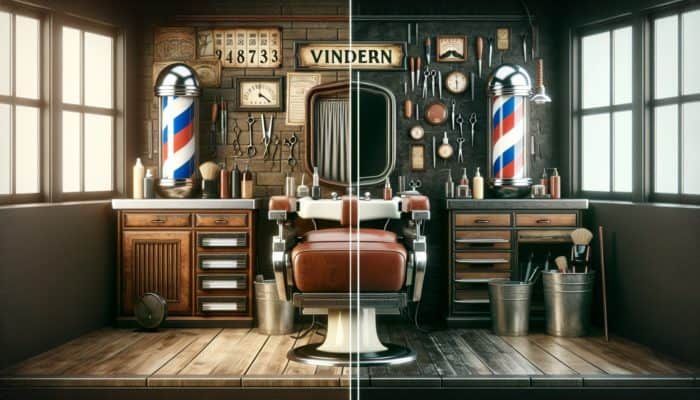
The language of barbering has experienced significant evolution, mirroring shifts in fashion, culture, and techniques. Historical terms often transform into modern equivalents as new styles gain traction and client preferences change. For instance, while the term “barber pole” has remained consistent, its design and meaning have adapted over the centuries, reflecting contemporary aesthetics and cultural values.
Understanding this evolution equips learners to appreciate the origins of current practices and the various influences that shape modern barbering. By recognising these changes, professionals can utilise terminology that resonates with today’s trends while honouring the rich history of their craft, thereby enhancing their connection to the profession.
What Steps Can You Take to Continuously Enhance Your Barber Vocabulary for Career Growth?
What initial steps can you undertake to expand your barber vocabulary effectively?
To successfully broaden your barber vocabulary, commence by mastering the basics. Start with straightforward, everyday terms that you frequently encounter in the shop. As you build confidence, gradually introduce more complex vocabulary, fostering a natural fluency that aids in retaining new concepts.
Incorporating daily practice techniques, such as engaging in conversations with colleagues, reading barbering literature, or utilising mobile language-learning applications, can significantly boost your vocabulary. By embedding these strategies into your daily routine, you will ensure continuous skill development and establish a robust foundation for ongoing mastery in barbering.
What common obstacles do beginners face when acquiring barber vocabulary?

Learning barber vocabulary can present various challenges. Common hurdles include difficulties with retention, confusion over synonyms, and struggling to differentiate between similar terms. For instance, distinguishing between taper and fade can be particularly challenging for newcomers to the industry.
- Retention issues often arise due to a lack of practical application, which hinders memory.
- Confusion regarding synonyms complicates the recall of specific terms in relevant situations.
- Feeling overwhelmed by the introduction of numerous new terms at once can lead to frustration and disengagement.
- Neglecting to integrate vocabulary into daily practice restricts overall comprehension and self-assurance.
To combat these challenges, focus on repetitive practice, employ flashcards for effective memorisation, and actively incorporate new vocabulary into your services. This proactive approach will make the learning experience more tangible and enjoyable, ultimately enhancing both your confidence and proficiency in barbering.
How can you effectively assess your progress in developing barber vocabulary?
Monitoring your advancement in barber vocabulary is crucial for ongoing growth. One effective method includes repetition and practical application; consistently using newly acquired terms in real-life scenarios reinforces memory retention and overall understanding.
Utilising self-assessment tools, like quizzes or engaging in discussions with peers, can also provide valuable insights into your progress. Regularly reviewing and practising terms will facilitate systematic expansion of your vocabulary, equipping you with the language skills essential for excelling in a professional barbering environment.
How do cultural trends shape the evolution of barber terminology?
Cultural shifts consistently influence barber vocabulary, introducing new terms while phasing out outdated ones. For instance, the rise of the hipster movement has rekindled interest in vintage styles, paving the way for the adoption of terms like pompadour and beard oil.
Barbers must stay attuned to societal changes to adapt their language and service offerings accordingly. This dynamic awareness not only enriches your vocabulary but also positions you as a contemporary professional aligned with your clients’ preferences and prevailing trends.
Proven Strategies to Master the Fundamentals of Barber Vocabulary
How can you effectively utilise barber terminology in professional settings?
Accurately applying barber vocabulary in professional contexts enhances your confidence and precision in your practice. Start by integrating relevant terms during client consultations, clearly articulating the services you provide. This practice builds rapport and establishes you as a knowledgeable authority in your field.
For instance, explaining the intricacies of what a fade or texture entails during a consultation helps clients understand what to expect, fostering their engagement in the process. Frequently incorporating these terms into discussions about style choices will further solidify your understanding and comfort with the vocabulary, leading to improved overall service delivery.
What is the significance of using barber terms in your daily practice?
Incorporating barber terminology into your daily routine is vital for achieving proficiency and confidence in your skills. Consistent use of vocabulary during services—including cutting, styling, or shaving—not only enhances your skill level but also boosts your adaptability in diverse scenarios.
For example, mentioning the clipper-over-comb technique while performing a haircut clarifies your method to the client and provides insight into your approach. Regularly using these terms in everyday tasks makes them second nature, allowing you to concentrate more on the artistry inherent in barbering.
How can effective vocabulary improve your interactions with clients?
A solid command of essential barber vocabulary greatly enhances communication, leading to heightened engagement and satisfaction among clients. When you utilise terms that clients comprehend, you foster a more comfortable atmosphere that nurtures trust and strengthens relationships. For example, clearly outlining what a taper entails helps clients visualise the anticipated result of their haircut.
- Increased client satisfaction stems from clear, informative explanations of services.
- Enhanced trust develops as clients appreciate working with knowledgeable professionals.
- Better management of client expectations contributes to improved outcomes and experiences.
- Stronger connections foster repeat business and valuable referrals, contributing to your overall success.
By effectively employing basic vocabulary, barbers can transform their interactions, fostering meaningful relationships and establishing a loyal clientele.
What effective strategies can you implement to improve your barber vocabulary through practice?
Implementing effective strategies to expand your barber vocabulary includes engaging in daily practice exercises that reinforce your learning. Techniques such as using flashcards to display terms alongside their definitions can be incredibly beneficial for memorisation and retention.
Moreover, role-playing various scenarios with colleagues can simulate real-life interactions, solidifying your understanding and enhancing fluency. Participating in discussions about styles, products, and techniques will further bolster your proficiency, ensuring your vocabulary is comprehensive and applicable across various contexts in your barbering practice.
Research-Supported Benefits of Mastering the Essentials of Barber Vocabulary
What Effective Techniques Can Assist You in Mastering Core Barber Vocabulary?
How Can You Apply Barber Vocabulary in Your Daily Activities for Greater Success?
Frequently Asked Questions About Barber Vocabulary
What essential barbering terms should I know to excel in the industry?
Key barbering terms include fade, clipper, and shear. Familiarity with these fundamental concepts enhances communication and ensures effective service delivery, paving the way for your success in the industry.
How can I effectively broaden my barber vocabulary over time?
Start with simple terms and gradually incorporate more complex vocabulary as you grow more comfortable. Consistent daily practice, engaging conversations with peers, and using language-learning applications can significantly enhance your vocabulary over time.
What common challenges do beginners face when learning barber vocabulary?
Common challenges include difficulties with retention, confusion over synonyms, and feeling overwhelmed by the volume of new terms introduced. Strategies such as repetitive practice and flashcards can help you effectively overcome these hurdles.
How can I accurately measure my vocabulary development progress?
Track your improvement by employing self-assessment tools like quizzes and by consistently using new terms in real-life contexts to reinforce your understanding and retention.
How does cultural influence shape barber terminology and practices?
Cultural trends impact barber vocabulary by introducing new terms while phasing out outdated ones. Staying aware of societal changes helps barbers remain relevant and connected to their clientele, ensuring they meet the evolving expectations of their clients.
Why is it essential to use barber vocabulary during client interactions?
Using precise vocabulary enhances communication and builds trust with clients, leading to higher satisfaction, improved service experiences, and long-term loyalty.
What daily practices can support vocabulary retention and mastery?
Engaging in role-playing scenarios, using flashcards, and incorporating terms into everyday conversations will solidify your understanding, enhance fluency, and equip you with the necessary vocabulary for success.
How can I implement barber vocabulary effectively in professional environments for enhanced service?
Introduce relevant terminology during client consultations, clearly explain services, and consistently incorporate vocabulary in your daily tasks to boost confidence, professionalism, and client satisfaction.
What advantages arise from mastering barber vocabulary for your career?
Mastering vocabulary improves client communication, enhances professionalism, builds trust, and establishes you as an authoritative figure within the barbering industry, ultimately contributing to your long-term success.
What resources can assist me in effectively learning barber vocabulary?
Utilise books, online courses, mobile applications, and instructional videos from industry experts to significantly enhance your understanding of barber terminology and practices.
Connect with us on Facebook today!
The Article: Developing Barber Vocabulary Basics: Key Concepts and Tips appeared first on Amitys Hair Salon.
The Article Barber Vocabulary Basics: Essential Tips and Concepts Was Found On https://limitsofstrategy.com
References:
Barber Vocabulary Basics: Key Concepts Every Barber Should Know