How to Start Gentle and Safe Exercise Routines for Your Senior Pet
Assessing Your Pet’s Mobility and Readiness for Exercise
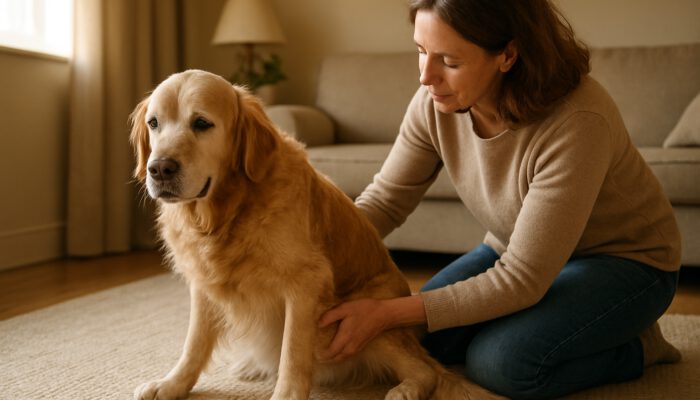
Understanding your pet’s mobility is crucial before initiating any exercise programme. Observing how effortlessly your pet walks short distances and assessing their joint flexibility can provide significant insights into their physical status. This evaluation helps you determine suitable starting points for activities, ensuring your senior companion avoids strain or discomfort.
Using a mobility checklist can enhance your assessment process. Look for signs such as limping, reluctance when standing, or difficulty navigating stairs. These indicators are vital for gauging their readiness for physical activity. Regular evaluations will enable you to track changes in mobility, which is essential for modifying their exercise programme as required.
Keep in mind that every pet is unique, and mobility levels can vary greatly. Factors such as breed, age, and existing health issues can influence their ability to participate in physical activities. Tailoring your approach based on these assessments guarantees your pet enjoys a safe and effective exercise experience.
What Low-Impact Exercise Activities Are Best for Older Pets?
Choosing the right low-impact exercise activities is crucial for senior pets to minimise stress on their joints. Gentle walks, light swimming, and basic stretching exercises are excellent options. These activities help maintain mobility while significantly reducing the risk of injury, making them suitable for pets with varying energy levels and health conditions.
Start with short, leisurely walks around your garden or local neighbourhood. This not only encourages physical activity but also provides mental stimulation as they explore familiar surroundings. Integrating stretching routines can also be advantageous, enhancing flexibility and circulation without overexerting tired muscles.
Always keep an eye on your pet’s comfort during these activities. If they exhibit signs of fatigue or discomfort, be prepared to adjust the intensity or duration of the exercises. The goal is to establish a consistent exercise routine that promotes their health while keeping them engaged and happy.
What Safety Precautions Should You Consider Before Starting an Exercise Programme?
Consulting a veterinarian prior to beginning any new exercise plan for your senior pet is essential. A vet can evaluate your pet’s health, discuss any pre-existing medical conditions, and suggest safe activities. This step is critical for identifying any underlying issues that could hinder your pet’s ability to exercise safely.
Once you have veterinary clearance, consider developing a personalised exercise plan tailored to your pet’s unique requirements. This plan should take into account their age, breed, and any medical concerns. For instance, pets suffering from arthritis may benefit from shorter, more frequent exercise sessions rather than longer outings that could exacerbate their discomfort.
Ensure that your exercise environment is free of hazards that could lead to slips or falls. Opt for soft surfaces, like grass or carpet, to protect their joints. By taking these precautions, you create a secure and enjoyable exercise experience for your cherished companion.
How Can You Monitor Progress and Adapt Exercise Plans?

Regularly monitoring your pet’s response to exercise is crucial for their overall well-being. Be attentive to their energy levels, enthusiasm for participation, and any signs of tiredness or discomfort. Keeping a record of their activities will assist you in tracking improvements and determining when adjustments are necessary.
As your pet grows accustomed to their exercise routine, gradually increase the intensity or duration based on their comfort level. If they display heightened energy and eagerness, consider extending their exercise sessions or introducing new activities. On the other hand, if they exhibit signs of fatigue or hesitation, contemplate reducing the intensity or altering the routine.
Maintaining open communication with your veterinarian throughout this process is vital. Regular check-ups enable you to assess your pet’s progress and confirm that their exercise regimen aligns with their health needs. Adjusting routines as needed promotes a sustainable approach to keeping senior pets active and engaged.
Best Practices for Gentle Exercise for Senior Pets
How to Build a Daily Exercise Routine Gradually
Establishing a regular gentle exercise routine for senior pets is essential for their long-term health. Start with brief sessions of around five minutes, slowly increasing the duration according to your pet’s responses. This gradual method prevents overwhelming them, allowing their bodies to adapt comfortably to higher activity levels.
Integrating exercise into your pet’s daily life can be simple by scheduling it at the same time each day. For instance, a quick walk after breakfast or gentle stretching in the evening can create a predictable routine that your pet will come to expect. Consistency fosters a sense of security and encourages participation.
As you establish these habits, pay attention to your pet’s reactions. Look for signs of enjoyment, such as wagging tails or playful antics, indicating positive engagement with the routine. Adjust the frequency and intensity of sessions based on their comfort levels to sustain their enthusiasm and ensure ongoing participation.
Real-Life Examples of Tailored Techniques for Different Pet Sizes and Conditions
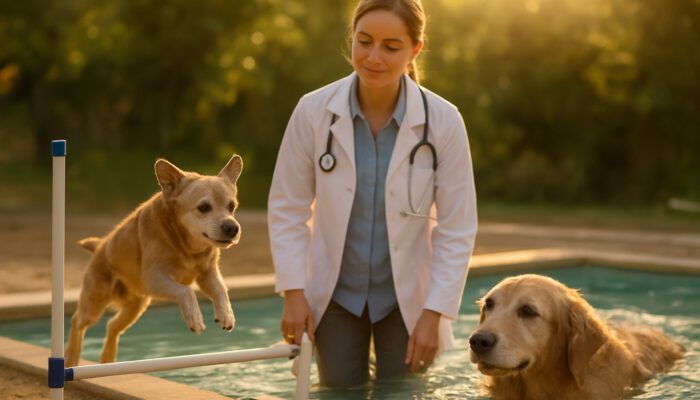
Professional trainers and veterinarians often implement adaptive strategies to customise exercise plans for senior pets. For example, small dogs may excel with light agility exercises using low obstacles, while larger breeds might benefit from water therapy to alleviate joint strain. These tailored strategies cater to the unique needs and abilities of each pet.
Tracking improvements over time is essential for evaluating the effectiveness of these personalised plans. Experts frequently recommend maintaining a journal to document your pet’s progress, noting changes in energy levels, mobility, and overall health. This information is invaluable for adjusting routines to ensure the exercises remain beneficial.
Utilising community resources, such as local pet fitness classes or workshops, can provide additional support. These programmes often connect you with experienced trainers who can demonstrate safe techniques and help adapt exercises to your specific situation. Engaging with these resources enriches your pet’s exercise experience and fosters a healthier lifestyle.
How to Effectively Incorporate Rest Periods in Exercise Routines
Integrating rest periods into your pet’s exercise routine is crucial for preventing fatigue and ensuring they remain enthusiastic about activities. Schedule breaks during exercise sessions to allow your pet to recover fully. This practice helps maintain their energy levels and minimises the risk of overexertion or injury.
During these breaks, observe your pet’s behaviour. If they seem restless or eager to resume, consider gradually extending the duration of activity. Alternatively, if they appear fatigued or uninterested, think about shortening the exercise sessions or introducing more frequent rest breaks. Being attentive to your pet’s cues is vital for effectively tailoring their routine.
Rest periods also present an opportunity to strengthen your bond with your pet. Use this time for gentle petting, soothing words, or even a treat as a reward for their participation. This positive reinforcement fosters a supportive environment, encouraging your pet to look forward to future exercise sessions and enhancing their overall experience.
Enhancing Safe Exercise with Assistive Devices
Assistive devices can significantly improve the mobility of older pets, making exercise more accessible and enjoyable. Tools like harnesses, ramps, and support slings are specifically designed for senior animals, aiding movement and providing added stability during activities. Proper use of these devices ensures your pet can engage in gentle exercises without additional strain.
When selecting assistive devices, consider your pet’s size and specific requirements. For instance, a harness with a handle can be useful for lifting small dogs or supporting larger breeds during walks. Ramps assist pets in navigating stairs or entering vehicles, promoting independence and encouraging more active participation in their routines.
Ensure that any assistive device fits correctly and is used according to the manufacturer’s guidelines. Regularly inspect devices for signs of wear and tear, as safety is paramount when using these tools. Thoughtfully incorporating assistive devices can support your older pet’s mobility and enhance their overall quality of life.
The Importance of Regular Veterinary Consultations
Frequent consultations with veterinary professionals are essential for developing tailored exercise plans for senior pets. These experts can evaluate your pet’s health, recommend suitable activities, and monitor progress over time. This ongoing relationship ensures that your pet’s exercise regimen aligns with their specific medical conditions and needs.
During these consultations, share any changes you observe in your pet’s behaviour or mobility. This information can assist your veterinarian in providing informed recommendations, adjusting exercise routines to promote optimal health. For example, if your pet develops joint pain, your vet may suggest alternative activities that are gentler on their body.
Regular veterinary check-ups offer an opportunity to address any concerns or questions you may have regarding your pet’s exercise routine. Staying informed about your pet’s health and adapting their exercise plan as needed is crucial for maintaining their well-being and ensuring a happy, active life in their golden years.
Essential Considerations for Caring for Aging Pets
How to Monitor Vital Signs During Exercise
Keeping an eye on your pet’s breathing and heart rate during and after exercise is crucial for ensuring their safety. Pay close attention to their vital signs to detect any unusual changes early. This practice confirms that activities remain within safe limits for your pet’s cardiovascular health.
Typically, a healthy resting heart rate for dogs ranges from 60 to 140 beats per minute, depending on their size. For cats, a normal rate falls between 140 and 220 beats per minute. During exercise, these rates are expected to rise but should return to normal within a few minutes of rest. If your pet’s heart rate remains elevated or they show laboured breathing, it may be necessary to reduce the intensity of their activities.
To effectively monitor vital signs, be vigilant for any behavioural changes during exercise. Signs of distress, such as excessive panting, drooling, or reluctance to continue, should prompt immediate action. Adjusting the exercise routine based on these observations is vital for maintaining your pet’s health and preventing potential complications.
How to Modify Exercise Intensity Based on Observations
Adjusting your pet’s exercise intensity based on daily observations is crucial for optimising their health outcomes. Begin by establishing a baseline for their activity levels. Monitor their behaviour during and after exercise sessions, noting any signs of fatigue or discomfort. This information will guide your decisions on how to modify their routine.
If your pet shows enthusiasm and energy during activities, consider gradually increasing the duration or intensity. For example, if they enjoy walking, extend the distance or introduce gentle inclines. Conversely, if they display signs of tiredness or reluctance, reduce the duration or switch to gentler exercises like stretching or brief play sessions.
Always prioritise your pet’s comfort and well-being. Keeping a journal to track their responses to different exercises and any adjustments you make will help you identify patterns and make informed decisions about their exercise regimen, ensuring it remains enjoyable and beneficial.
Addressing Age-Related Limitations in Your Pet
Older pets often face age-related challenges, including decreased stamina, joint stiffness, and arthritis. Recognising these limitations is essential for tailoring their exercise routines to ensure participation remains enjoyable and beneficial. Modifying exercises to suit their needs can help maintain their mobility and overall quality of life.
For instance, consider implementing shorter, more frequent exercise sessions instead of longer, strenuous activities. This approach allows your pet to participate in physical activity without becoming overly fatigued. Incorporating supportive tools, like padded mats for stretching or ramps for easier access, can enhance their comfort during exercises.
Be attentive to your pet’s signals during exercise. If they seem hesitant or display signs of discomfort, adjust the routine accordingly. Offering a variety of activities can also sustain interest and address different limitations, ensuring that your older pet remains active and engaged throughout their senior years.
Benefits of Gentle Exercise for Senior Pets
Insights on Improved Joint Health and Muscle Tone
Research shows that regular low-intensity activities significantly enhance joint health and muscle tone in older pets. Studies reveal that consistent gentle exercise boosts the production of synovial fluid in joints, improving lubrication and decreasing stiffness. This enhancement can lead to increased mobility and reduced pain levels, allowing pets to participate more comfortably in daily activities.
Low-impact exercises, such as swimming or walking, help preserve muscle mass, which is crucial for overall strength and stability. As pets age, they naturally lose muscle, increasing their risk of injury. By incorporating regular gentle activities, pet owners can help counteract this decline, ensuring their pets remain active and agile.
Veterinary professionals frequently recommend gentle exercise as part of a comprehensive strategy for managing age-related health issues. This proactive approach addresses physical limitations and contributes to improved mental well-being, creating a holistic framework for enhancing the quality of life in senior animals.
Enhancing Mental Well-Being Through Regular Exercise
Consistent gentle movement is essential not only for physical health but also for improving older pets’ mental well-being. Engaging in physical activities stimulates cognitive function, keeping their minds sharp and alert. The release of endorphins during exercise promotes a positive emotional state, alleviating anxiety and stress levels.
Incorporating playtime into exercise routines can further encourage mental stimulation. Simple activities like interactive toys or gentle games of fetch provide both physical and mental challenges, keeping your pet entertained and engaged. This dual benefit underscores the critical role of regular exercise in overall well-being.
Social interactions during exercise can also enhance mental health. Taking your pet to a dog park or arranging playdates with other pets fosters the social bonds that are essential for emotional health. These connections can alleviate feelings of loneliness and isolation, contributing to a happier and healthier life for older pets.
Key Advantages of Gentle Exercise for Immune Function and Weight Management
Consistent gentle exercise programmes offer multiple benefits for older pets, particularly in supporting their immune systems and managing weight. Key advantages include:
- Enhanced circulation, improving nutrient delivery and waste removal.
- Effective weight management, helping to prevent obesity-related health issues.
- Stronger immune responses, reducing susceptibility to illnesses.
- Increased energy levels, encouraging a more active lifestyle.
- Improved digestive health, aiding in nutrient absorption.
- Better regulation of blood sugar levels, preventing diabetes.
By incorporating gentle exercise into their daily lives, pet owners can significantly enhance their older pets’ overall health, ensuring they remain vibrant and active in their later years. This holistic approach to care is essential for promoting longevity and quality of life.
Boosting Cardiovascular Health Through Gentle Activities
Regular gentle exercise greatly enhances cardiovascular health in senior pets. Studies suggest that consistent low-impact activities improve heart function and blood circulation, reducing the risk of cardiovascular diseases. Maintaining a healthy heart is vital for older pets, as they are more susceptible to heart-related issues.
Engaging in gentle exercises, such as walking or swimming, helps strengthen the heart muscle and improves overall endurance. As pets participate in these activities, their bodies adapt, leading to better oxygen delivery and increased stamina. This improvement supports not only physical health but also encourages a more active lifestyle.
Regular exercise aids in weight management, further alleviating strain on the cardiovascular system. A balanced approach to exercise and nutrition is crucial for maintaining optimal heart health in older pets. By prioritising gentle activities, pet owners can significantly enhance their pets’ quality of life and longevity.
Encouraging Longevity and Disease Prevention
Research indicates that regular low-impact activities contribute to longer lifespans in senior animals. Consistent gentle exercise supports overall health by minimising the development of chronic conditions and enhancing vital organ functions. This proactive approach to pet care is crucial for promoting longevity and improving quality of life.
Engaging in physical activities helps maintain muscle mass, joint flexibility, and cardiovascular health, all vital for preventing age-related diseases. Regular movement can improve metabolic function, decreasing the risk of obesity and its associated health problems. This comprehensive strategy ensures that older pets remain active and healthy as they age.
Veterinarians often emphasise the importance of tailored exercise programmes for senior pets. By integrating gentle activities into their daily routines, pet owners can have a profound impact on their pets’ overall health and well-being, paving the way for a longer, happier life.
The Role of Consistency in Achieving Positive Outcomes
How to Track Progress Weekly for Optimal Results
Maintaining a record of your pet’s weekly exercise activities is crucial for monitoring improvements. Documenting the duration of each session, your pet’s energy levels, and any noticeable changes in mobility can provide valuable insights into their progress. This information helps identify patterns and make informed adjustments to their exercise routine.
As you track progress, be on the lookout for specific milestones, such as increased stamina or improved joint flexibility. Celebrating these achievements, no matter how small, can motivate both you and your pet to continue with the exercise regimen. Consistency in tracking allows you to evaluate the effectiveness of your approach and refine it as necessary.
Sharing this information with your veterinarian during check-ups can facilitate discussions regarding your pet’s health and exercise needs. A collaborative approach ensures your pet receives the best possible care and support, ultimately leading to improved health outcomes and a higher quality of life.
Preventing Regression Through Regular Exercise
Establishing a routine for your pet’s exercise sessions is vital for preventing regression in their physical capabilities. Consistency fosters familiarity, reducing resistance and encouraging long-term adherence to the exercise regimen. By scheduling fixed times for activities, you create a predictable environment that pets will learn to anticipate and enjoy.
Incorporating regular exercise into your daily routine can be as simple as setting aside specific times for walks or play sessions. This structure benefits your pet and reinforces your commitment to their health. Over time, this consistency nurtures a positive association with exercise, making it a natural part of their day.
If your pet shows signs of reluctance or fatigue, consider adjusting the routine to better accommodate their needs. Being flexible is essential for maintaining engagement and ensuring that your pet remains active. By prioritising consistency while being responsive to your pet’s signals, you can maximise health benefits and promote a happier, more active life.
How to Recognise When Adjustments Are Necessary
Being attentive to your pet’s behaviour during exercise is vital for recognising when adjustments are needed. Look for signs such as limping, hesitation to engage, or excessive panting, which may indicate that your pet is overexerted or uncomfortable. These signals are critical for ensuring their safety and well-being.
If you notice any of these signs, consider scaling back the intensity or duration of their activities. It may also be beneficial to introduce more frequent rest periods or switch to gentler exercises that better align with their current capabilities. Listening to your pet’s feedback is key to establishing a sustainable exercise routine.
Regular communication with your veterinarian is equally important. If you observe significant changes in your pet’s behaviour or mobility, consult your vet for professional advice. This proactive approach ensures that your pet’s exercise regimen remains aligned with their health needs and promotes their overall well-being.
Strategies for Sustaining Long-Term Engagement in Exercise
Diversifying Activities to Keep Your Pet Interested
To keep your older pet engaged in their exercise routine, regularly introduce a variety of activities. Incorporating different gentle options, such as swimming, walking on various terrains, or balance exercises, provides both physical challenges and mental stimulation. This variety helps prevent boredom and encourages your pet to stay active.
Consider exploring new environments for exercise, such as parks or nature trails, which offer fresh experiences. These outings can introduce new scents and sights, keeping your pet intrigued and excited about their exercise sessions. Rotating between different activities can help maintain their enthusiasm and motivation.
Engaging in diverse exercises not only benefits your pet’s physical health but also strengthens your bond. Participating together in various activities fosters trust and mutual enjoyment, making exercise a rewarding experience for both you and your furry companion.
The Advantages of Social Bonding Through Shared Exercises
Engaging in exercises together with your older pet offers numerous advantages for social bonding. Key benefits include:
- Strengthened trust and companionship through shared experiences.
- Enhanced communication and understanding of each other’s cues.
- Improved emotional well-being for both pet and owner.
- Increased motivation to remain active together.
- Creation of lasting memories through enjoyable activities.
These advantages highlight the importance of spending quality time with your pet while promoting a healthy lifestyle. By prioritising shared exercises, you can cultivate a deeper connection that enriches both your lives.
Collaborating with Professionals to Assess Progress
Scheduling regular consultations with veterinary professionals is crucial for refining exercise plans as your pet’s health needs evolve. Routine check-ins provide opportunities to discuss any changes in your pet’s behaviour, mobility, or overall health. This collaborative approach ensures that their exercise regimen remains relevant and effective throughout their senior years.
During these reviews, be prepared to share insights from your tracking log, including observations about your pet’s energy levels and responses to various activities. This information can aid your veterinarian in making informed recommendations for routine adjustments. Customising the plan to meet your pet’s changing needs is vital for sustaining their health and happiness.
Working with pet fitness specialists or trainers can offer additional guidance on effective exercise strategies. These professionals can provide valuable insights into age-appropriate activities and techniques that promote safety and enjoyment. By staying proactive in reviewing progress, you can help your older pet thrive and enjoy a fulfilled, active life.
Common Questions Answered
What types of gentle exercises are ideal for older pets?
Gentle exercises such as slow walks, light swimming, and stretching routines are perfect for older pets. These activities help maintain mobility while minimising stress on their joints.
How often should I exercise my older pet?
Aim for short exercise sessions, around 5 to 15 minutes, several times a week. Gradually increase the frequency based on your pet’s comfort and energy levels.
Can gentle exercise alleviate my pet’s arthritis symptoms?
Yes, gentle exercise can help reduce arthritis symptoms by enhancing joint flexibility and decreasing stiffness. Always consult your veterinarian for personalised recommendations.
What signs indicate that my pet is overexerted during exercise?
Look for signs such as excessive panting, limping, reluctance to continue, or behavioural changes. If you notice these symptoms, reduce the intensity or duration of activities.
Is it necessary to consult a veterinarian before starting an exercise routine?
Yes! Consulting a veterinarian ensures that your exercise plan is safe and tailored to your pet’s specific health needs and limitations.
How can I motivate my older pet to exercise regularly?
Vary activities to maintain their interest, incorporate playtime, and use positive reinforcement. Engaging in paired exercises can also enhance motivation and enjoyment.
Are there assistive devices I should consider for my pet?
Yes, consider using harnesses, ramps, or support slings designed for older pets. These devices can facilitate movement and enhance safety during exercises.
How can I track my pet’s progress in their exercise routine?
Maintain a log of your pet’s activities, noting duration, energy levels, and any behavioural changes. This information helps assess progress and make necessary adjustments.
What should I do if my pet shows signs of discomfort during exercise?
If your pet exhibits discomfort, stop the activity immediately and evaluate their condition. Consult your veterinarian if symptoms persist or worsen.
Can gentle exercise improve my pet’s mental health?
Yes, regular gentle exercise can enhance mental well-being by reducing anxiety, stimulating cognitive function, and fostering social interactions, contributing to a happier pet.
Explore more on our Facebook page!
The Article Gentle Exercise For Older Pets: Safe Routines For Seniors First Published On https://elgatoencasa.com
The Article Gentle Exercise for Seniors: Safe Routines for Older Pets Was Found On https://limitsofstrategy.com