Your Ultimate Guide to Selecting the Optimal Supplements for Effective Bulking Diets
Understanding Bulking Supplements: Key Advantages and Uses

Bulking supplements are carefully crafted nutritional products designed to significantly enhance muscle growth and assist individuals in successfully reaching their weight gain objectives. These supplements are specifically advantageous for athletes, bodybuilders, and fitness lovers who aspire to elevate their performance and refine their physiques. Typically, bulking supplements include a mix of various macronutrients, such as proteins, carbohydrates, and essential micronutrients that provide holistic nutritional support during periods of intense physical exertion. Common varieties of bulking supplements comprise:
- Protein powders
- Mass gainers
- Amino acids (including BCAAs and EAAs)
- Creatine
- Carbohydrate powders
- Vitamins and minerals
- Omega-3 fatty acids
- Glutamine
These supplements are designed to complement a well-rounded diet, aiding individuals in meeting their caloric intake and nutrient requirements. Meeting these nutritional benchmarks is crucial for stimulating muscle hypertrophy and facilitating effective recovery post-exercise.
Strategies for Choosing the Right Supplements Aligned with Your Personal Fitness Goals
Selecting the most effective bulking supplements necessitates a comprehensive evaluation of your fitness aspirations, dietary preferences, and overall health status. It is vital to take several key factors into account:
- Your specific fitness objectives (for instance, whether you’re aiming for mass gain or strength enhancement)
- Dietary preferences (such as following a vegan diet or having lactose intolerance)
- Ingredient transparency to avoid any potential allergens
- Quality and sourcing of the ingredients used in the supplements
- Consultation with healthcare or nutrition professionals for tailored advice
- Cost-effectiveness of the selected supplements
Making well-informed choices guarantees that the supplements you select are perfectly aligned with your body’s unique needs and dietary preferences. This alignment boosts their effectiveness and positively impacts your overall health and fitness journey.
Essential Considerations Regarding Supplement Safety and Regulatory Standards
Comprehending the safety and regulatory framework surrounding bulking supplements is vital for consumers. Dietary supplements are subject to various regulatory guidelines worldwide, which may differ markedly from country to country. For instance, in the United States, the FDA oversees supplements under a distinct set of regulations compared to those applicable to food products, focusing on safety rather than efficacy prior to market entry.
Common safety issues associated with supplements include contaminated ingredients, mislabeling, and the risk of undisclosed substances that could pose health threats. Consumers should prioritise selecting supplements that have undergone rigorous third-party testing, ensuring compliance with established safety and quality standards. A solid grasp of these regulatory considerations is crucial for anyone seeking to safely and effectively integrate bulking supplements into their dietary regimen.
Key Ingredients Commonly Found in Popular Bulking Supplements
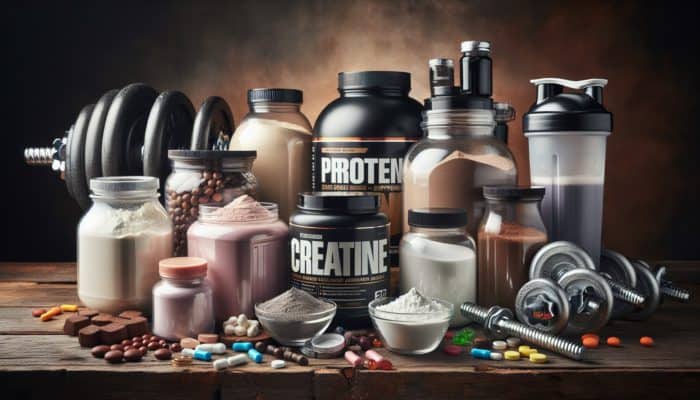
Protein: The Cornerstone of Effective Muscle Development
Protein is an essential nutrient for muscle repair and growth, making it a crucial component of any successful bulking diet. It plays a vital role in the recovery process following strenuous workouts and is imperative for fostering the development of lean muscle mass. The most advantageous protein sources that are ideal for bulking include:
- Whey protein (noted for its rapid digestion)
- Casein protein (renowned for its slow digestion)
- Egg protein
- Plant-based proteins (such as pea, hemp, and soy)
- Lean meats like chicken and turkey
- Fish varieties (such as salmon and tuna)
- Dairy products (including Greek yogurt and cottage cheese)
- Nuts and seeds
Each protein source offers unique benefits; for example, whey protein is particularly effective for post-workout recovery due to its fast absorption, while casein protein is ideal for muscle repair during overnight fasting. By incorporating a diverse array of protein sources into your bulking diet, you can significantly enhance your nutrient intake and effectively stimulate optimal muscle growth.
Creatine: A Powerful Catalyst for Enhanced Performance and Recovery
Creatine is widely recognised for its substantial impact on strength and muscle mass, serving as a potent ergogenic aid. It enhances the body’s capacity to produce energy rapidly, which is crucial during high-intensity workouts and recovery periods. Supplementing with creatine increases phosphocreatine levels within the muscles, thereby boosting ATP (adenosine triphosphate) production, which enables athletes to perform at their highest potential during training sessions.
The efficacy of creatine is well-documented, with numerous studies confirming its ability to promote increases in muscle mass, strength, and athletic performance. Regular creatine supplementation often results in quicker recovery times, allowing individuals to engage in more frequent and effective training sessions, which is vital for anyone following a rigorous bulking regimen.
Carbohydrates: The Primary Energy Source for Optimal Muscle Growth
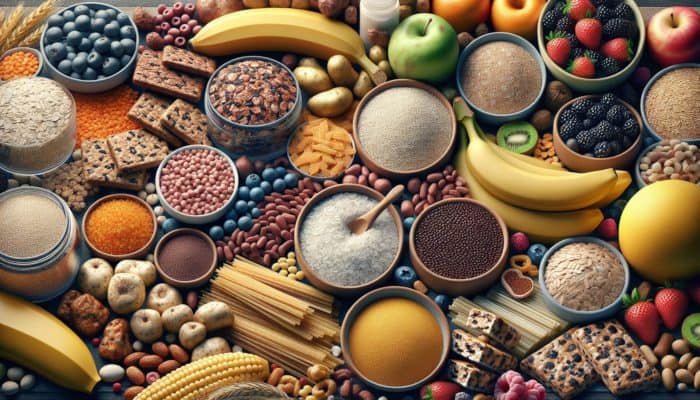
Carbohydrates are essential for supplying the energy required for workouts and recovery, making them a fundamental aspect of any bulking diet. They serve as the primary energy source during high-intensity training sessions and are crucial for replenishing glycogen stores that become depleted during exercise. The most effective types of carbohydrates to support bulking include:
- Complex carbohydrates (such as whole grains, oats, and brown rice)
- Starchy vegetables (like potatoes and sweet potatoes)
- Fruits (including bananas and berries)
- Legumes (such as beans and lentils)
- Whole-grain pasta
- Quinoa
- Rice cakes
- Granola bars
Complex carbohydrates provide sustained energy, which is vital for extended workouts and effective recovery processes. By strategically incorporating these carbohydrate sources into your meals, you can optimise your energy levels and promote muscle growth throughout your bulking phases.
Expert Insights on Effective Supplements for Achieving Bulking Success
Strategic Nutritional Approaches to Maximise Bulking Success
Successful bulking is closely linked to effective nutritional strategies that are customised to meet individual requirements. Experts highlight the importance of meal timing, macronutrient ratios, and the incorporation of specific supplements based on personal objectives. A typical nutritional plan for bulking may include pre-workout meals rich in carbohydrates and moderate in protein to boost performance, followed by post-workout protein shakes to support recovery.
Real-world examples illustrate the effectiveness of these nutritional strategies. Athletes who consume a carbohydrate-rich meal 1-2 hours before training often report enhanced endurance and performance. Additionally, incorporating a post-workout protein shake within 30 minutes of completing a workout can significantly accelerate muscle protein synthesis, facilitating optimal recovery. These tailored approaches underscore the importance of aligning nutritional strategies with individual training regimens to achieve effective bulking results.
The Impact of Timing on Supplement Effectiveness
The timing of supplement intake is critical, as it can greatly affect their overall effectiveness, especially during bulking phases. Consuming specific supplements at strategic intervals can amplify their benefits and support your overarching training objectives. For instance, protein supplements are most beneficial when consumed post-workout to assist muscle recovery and stimulate growth. Concurrently, creatine can be advantageous whether taken before or after workouts to enhance performance and recovery.
To optimise supplement timing, consider structuring your meal and supplement schedules around your workout sessions. Consuming a protein-rich meal or shake within 30-60 minutes after exercising provides the body with essential nutrients required for effective recovery. Furthermore, taking creatine prior to workouts can enhance energy availability during training sessions, leading to improved performance and results.
Common Mistakes to Avoid When Bulking
Avoiding common mistakes is crucial for maximising the effectiveness of your bulking diet. Experts frequently identify several typical errors that can hinder progress toward bulking goals. One prevalent issue is insufficient calorie intake; it is essential to ensure that you consume a sufficient caloric surplus to support muscle growth. Additionally, neglecting proper supplement timing can reduce their effectiveness, leading to suboptimal recovery and performance.
Moreover, overlooking the importance of recovery can result in overtraining, which may impede progress. Setting realistic goals and expectations is also critical; rapid weight gain often results in increased fat accumulation instead of lean muscle mass. By recognising and addressing these common pitfalls, individuals can enhance their bulking experience and effectively achieve their desired outcomes.
How Supplements Facilitate Effective Bulking Diets
Enhancing Muscle Growth and Supporting Effective Recovery
Supplements play a crucial role in promoting muscle growth and facilitating recovery, both of which are key components of any bulking regimen. They provide the essential nutrients necessary for muscle repair following strenuous workouts, ensuring the body can adapt and strengthen. Supplements such as branched-chain amino acids (BCAAs) and glutamine are particularly effective in this context.
BCAAs help reduce muscle soreness and fatigue, enabling quicker recovery times between workouts. They stimulate protein synthesis, enhancing muscle growth while minimising muscle breakdown. Similarly, glutamine aids recovery by replenishing glycogen stores and alleviating muscle soreness, allowing for more frequent training sessions without risking overtraining. The synergistic effects of these supplements not only accelerate muscle growth but also enhance overall performance and endurance during bulking phases.
Increasing Caloric Intake Through Supplementation During Bulking
Bulking diets typically require a caloric surplus to stimulate muscle gain, and supplements can significantly assist this goal for those struggling to consume sufficient calories through whole foods. Mass gainers and high-calorie shakes offer an effective solution. These supplements are specifically formulated to provide concentrated sources of calories, often comprising a blend of proteins, carbohydrates, and fats.
By incorporating mass gainers into your daily routine, you can effortlessly elevate your overall caloric intake without feeling excessively full. For instance, consuming a mass gainer shake between meals or as a post-workout recovery drink can help bridge the caloric gap and ensure your body receives the nutrients it needs to stimulate muscle growth. This strategy simplifies the process of achieving caloric goals while supporting sustained energy levels during training.
Contributions of Supplements to Overall Health and Performance Enhancement
Maintaining overall health and optimising performance during bulking is vital. Supplements that boost immune function and general well-being can help individuals sustain their training intensity and frequency. For instance, multivitamins provide a comprehensive range of essential nutrients that may be lacking in a high-calorie diet, ensuring your body functions at its best.
Furthermore, omega-3 fatty acids are essential for reducing inflammation and promoting heart health, especially beneficial during periods of intense training. The inclusion of these supplements not only supports muscle growth but also enhances longevity in training, allowing individuals to maintain their health throughout the bulking process. Prioritising overall health through supplementation can lead to improved physical performance and more favourable results.
Exploring Diverse Supplement Types for Effective Bulking Diets
Protein Powders and Shakes: Fundamental Elements for Muscle Development
Protein powders are a primary choice for individuals following a bulking diet, celebrated for their convenience and effectiveness in promoting muscle gain. They offer a concentrated protein source that can be seamlessly integrated into various meals and snacks. Understanding the distinctions between whey, casein, and plant-based proteins can assist individuals in selecting the most beneficial options:
- Whey protein: Recognised for its rapid digestion, making it ideal for post-workout recovery.
- Casein protein: A slow-digesting option that is perfect for overnight muscle repair.
- Egg protein: High-quality protein that boasts a complete amino acid profile.
- Plant-based proteins: Options such as pea and soy cater to various dietary preferences and restrictions.
- Blended protein powders: Combining multiple protein sources for optimal absorption and effects.
- Hydrolyzed protein: Pre-digested for faster absorption, suitable for post-workout consumption.
- Concentrates vs. isolates: Isolates typically contain higher protein content with lower carbs and fats.
- Protein bars: Convenient options for on-the-go protein intake.
Understanding the unique advantages of each protein type can significantly assist individuals in choosing the best options to support their bulking objectives, ensuring they effectively meet their protein requirements.
Mass Gainers and Weight Gainers: Superior Solutions for Enhancing Caloric Intake
Mass gainers and weight gainers are specifically engineered to assist individuals in consuming a higher caloric intake and gaining weight effectively. These products typically boast high levels of carbohydrates and proteins, designed to supply the nutrients necessary for substantial muscle growth. The ideal time to integrate mass gainers into a bulking diet is often between meals or immediately post-workout.
Utilising mass gainers strategically during these periods can help increase overall caloric intake without overwhelming the digestive system. For instance, after an intense training session, a mass gainer can effectively replenish glycogen stores and deliver the protein needed for muscle repair. This approach not only facilitates weight gain but also enhances muscle recovery, making mass gainers a valuable asset during bulking phases.
Amino Acids and BCAAs: Essential for Muscle Repair and Growth
Amino acids, particularly branched-chain amino acids (BCAAs), are crucial for muscle repair and growth, especially during the demanding stages of bulking. BCAAs, comprising leucine, isoleucine, and valine, play a pivotal role in reducing muscle fatigue and enhancing recovery. The benefits of BCAAs for bulking are significant; they stimulate muscle protein synthesis and minimise exercise-induced muscle damage.
Incorporating BCAAs into a bulking plan can elevate workout performance by delaying fatigue, allowing individuals to train harder and more frequently. Many athletes find that supplementing with BCAAs before, during, or after workouts greatly enhances their recovery process. This focus on recovery ultimately leads to greater muscle gain and improved performance, making BCAAs a pivotal consideration for anyone aiming to optimise their bulking efforts.
Exploring the Key Benefits of Supplements for Bulking Diets
Accelerating Muscle Growth for Maximum Effectiveness
Supplements play a critical role in accelerating muscle growth, a primary goal for anyone engaged in a bulking diet. By providing essential nutrients, they facilitate muscle protein synthesis, a vital process for constructing new muscle tissue. Research indicates that individuals who incorporate supplements into their workout routines often experience faster increases in muscle size and strength compared to those relying solely on whole foods.
This enhanced growth can be attributed to the rapid availability of amino acids and energy sources, which promote more effective training sessions and recovery processes, ultimately leading to improved bulking outcomes.
Boosting Workout Performance Through Strategic Supplementation
Enhanced workout performance is a significant advantage of integrating supplements into a bulking diet. Specific supplements, including creatine and beta-alanine, are renowned for their ability to increase strength, power, and overall exercise performance. Creatine enhances the body’s capacity to produce energy quickly, which is essential for high-intensity workouts, resulting in greater strength gains and muscle hypertrophy.
Conversely, beta-alanine assists in buffering acid in muscles, reducing fatigue during prolonged training sessions. This dual action of enhancing energy supply while decreasing fatigue is crucial for maximising workout efficiency, enabling individuals to push their limits and achieve superior results in their bulking endeavours.
Improving Recovery and Minimising Fatigue with Supplements
Recovery is a fundamental aspect of any successful bulking programme, and supplements can significantly enhance the recovery process while reducing fatigue. Products such as BCAAs and glutamine are specifically formulated to support this objective. BCAAs help alleviate muscle soreness and accelerate recovery, which is vital for maintaining a consistent training schedule.
Glutamine, an amino acid abundantly found in the body, further facilitates recovery by replenishing glycogen stores and assisting in muscle repair. The use of these supplements leads to quicker recovery times, allowing individuals to train more frequently and intensely without succumbing to fatigue. Improved recovery not only contributes to muscle growth but also helps sustain motivation and energy levels throughout the bulking journey.
Effectively Increasing Caloric Intake for Optimal Bulking
Achieving a caloric surplus is essential for any effective bulking diet, and supplements such as mass gainers and high-calorie shakes provide a practical solution for those aiming to increase their daily caloric intake. These products offer concentrated sources of calories, often blending proteins, carbohydrates, and fats tailored to meet the energy demands of rigorous training.
For individuals finding it challenging to consume enough calories through whole foods, mass gainers present a convenient avenue to achieve caloric goals without feeling overly full. By incorporating these supplements into their routines, individuals can effortlessly reach a caloric surplus, a critical component of successful bulking that promotes muscle gain and weight increase.
Scientific Evidence Supporting the Role of Supplements in Bulking Diets
Research-Backed Benefits of Protein Supplementation
Protein supplementation has garnered substantial research support for its critical role in muscle growth. Studies consistently demonstrate that protein supplements significantly enhance muscle protein synthesis, particularly when combined with resistance training. The most compelling evidence indicates that individuals consuming protein supplements post-workout exhibit marked improvements in muscle recovery and growth compared to those who do not supplement.
The timing of protein intake is also crucial; consuming protein shortly after exercise maximises the benefits of supplementation. This body of research underscores the importance of integrating protein supplements into a bulking regimen to optimise muscle development and recovery, affirming their significance as a fundamental component of effective bulking strategies.
Creatine: Insights from Research on Its Impact on Muscle Mass
Creatine is one of the most extensively researched supplements concerning muscle mass and performance enhancement. Numerous studies indicate that creatine supplementation leads to significant increases in muscle mass, strength, and overall exercise performance. The primary mechanism involves enhancing the availability of creatine phosphate in muscle cells, facilitating improved ATP production during high-intensity training.
Key findings consistently demonstrate that individuals incorporating creatine into their training regimens experience notable muscle growth and enhanced performance metrics, such as increased lifting capacity and endurance. This considerable body of evidence supports the inclusion of creatine as an essential supplement for anyone aiming to maximise their bulking outcomes.
Multivitamins: Supporting Bulking Success Through Nutritional Completeness
Multivitamins can play a vital role in supporting overall health and performance during bulking. By ensuring adequate intake of essential vitamins and minerals, multivitamins help maintain immune function and overall well-being, which is particularly important during periods of intense training.
Research suggests that a well-rounded multivitamin can help address nutritional gaps that may arise from a high-calorie diet, ensuring that the body receives comprehensive support. This holistic approach to supplementation aids in optimising performance and recovery, ultimately contributing to the success of a bulking regimen.
Beta-Alanine: Its Role in Enhancing Endurance According to Research
Beta-alanine supplementation has been shown to enhance muscle endurance and reduce fatigue during high-intensity workouts. Research indicates that beta-alanine improves exercise performance by buffering acid accumulation in muscles, which is particularly advantageous for individuals engaged in prolonged training sessions.
The findings support the notion that incorporating beta-alanine into a bulking regimen can lead to improved training capacity, enabling athletes to perform at higher intensities for extended periods. This enhanced endurance not only aids in achieving better workout results but also contributes to overall muscle growth during bulking phases.
The Impact of Branched-Chain Amino Acids on Muscle Recovery and Growth
BCAAs are recognised for their significant role in supporting muscle recovery and growth, with an expanding body of research highlighting their benefits during bulking phases. Studies suggest that BCAA supplementation can reduce muscle soreness and enhance muscle protein synthesis, making them an excellent choice for optimising recovery processes.
Incorporating BCAAs before and after workouts can mitigate fatigue and promote faster recovery, allowing individuals to maintain a consistent training schedule without experiencing excessive soreness. This evidence supports the strategic use of BCAAs as a crucial supplement for anyone engaged in serious bulking efforts.
How to Effectively Integrate Supplements into Your Bulking Diet
Developing a Balanced Supplement Plan for Optimal Results
A balanced approach to supplementation is essential for maximising the effectiveness of a bulking diet. Crafting a plan that incorporates a variety of supplements tailored to individual needs can lead to optimal results. Achieving a balance between protein, carbohydrates, and other vital nutrients is crucial to support muscle growth and recovery.
For example, a comprehensive plan may include whey protein for post-workout recovery, creatine for enhanced performance, and a multivitamin to address any nutritional deficiencies. This integrated approach ensures that individuals receive comprehensive support throughout their bulking journey, maximising their potential for muscle gain and overall performance.
Understanding the Importance of Timing and Dosage for Supplement Success
Proper timing and dosage of supplements are crucial for optimising their benefits during bulking. To achieve optimal results, individuals should adhere to the recommended guidelines for each type of supplement. Generally, protein supplements are most effective when consumed within 30-60 minutes post-workout, while creatine can be taken either before or after training sessions.
Dosages should be tailored to personal goals and needs; for instance, a common recommendation for creatine is 3-5 grams daily. Monitoring your response to supplements is essential, allowing for necessary adjustments in timing and dosages to optimise results. Implementing these best practices regarding timing and dosage can significantly enhance the effectiveness of a bulking diet.
Tracking Your Progress and Adjusting Supplements for Enhanced Outcomes
Regularly evaluating your progress is crucial for optimising bulking outcomes, enabling individuals to make informed adjustments to their supplement regimen. Tracking muscle growth, strength improvements, and indicators of overall health can provide valuable insights into the effectiveness of the current approach.
If progress plateaus or fails to meet expectations, it may be necessary to reassess the types and dosages of supplements being utilised. For example, increasing protein intake or incorporating additional calorie-dense supplements may be essential to achieving desired results. By consistently monitoring progress and making necessary adjustments, individuals can effectively optimise their bulking efforts and attain their fitness objectives.
Potential Risks and Side Effects Associated with Bulking Supplements
Ensuring Safe Integration of Supplements into Your Diet
While bulking supplements can offer substantial benefits, understanding their safety is paramount. Potential risks include adverse reactions to specific ingredients, interactions with medications, and the danger of exceeding recommended dosages. Individuals should conduct thorough research and seek guidance from healthcare professionals before adding new supplements to their routine.
Moreover, the quality of supplements can vary significantly between brands, with some lacking transparency in ingredient sourcing and testing. Opting for products that undergo third-party testing can mitigate risks associated with contaminants or mislabeling. By prioritising safety and being aware of potential side effects, individuals can responsibly incorporate bulking supplements into their diet while minimising health risks.
Frequently Asked Questions (FAQs)
What are the most effective supplements for bulking diets?
The most effective supplements for bulking diets include protein powders, creatine, mass gainers, and branched-chain amino acids (BCAAs), as they significantly support muscle growth, recovery, and overall caloric intake.
How much protein should I aim to consume while bulking?
When bulking, it is generally recommended to consume around 1.2 to 2.2 grams of protein per kilogram of body weight daily, depending on individual goals and activity levels.
Is it safe to combine multiple supplements in my regimen?
Yes, it is usually safe to combine multiple supplements, but it’s essential to ensure they do not contain overlapping ingredients and to adhere strictly to recommended dosages.
Can I achieve bulking goals without using supplements?
Yes, bulking can be accomplished without supplements by focusing on a well-balanced diet that sufficiently provides calories and nutrients from whole foods alone.
How long will it take to see results from bulking supplements?
Results may vary significantly, but many individuals start to notice changes in muscle mass and strength within 4 to 8 weeks of consistently using bulking supplements alongside an appropriate diet and training program.
Are there any side effects associated with bulking supplements?
Potential side effects may include digestive issues, weight gain from excessive caloric intake, and, in some cases, negative interactions with medications. It is vital to consult with a healthcare professional for guidance.
Should I continue taking supplements on rest days?
Yes, continuing to take supplements on rest days can be beneficial for recovery and maintaining nutrient levels, especially for protein and creatine.
What’s the best time to consume creatine?
Creatine can be taken either before or after workouts; however, post-workout consumption is often recommended to enhance recovery and muscle uptake.
Are plant-based supplements effective for bulking?
Absolutely! Plant-based supplements such as pea protein, brown rice protein, and plant-based mass gainers are excellent choices for individuals following a vegan or vegetarian diet.
What methods can I use to monitor my progress while bulking?
Monitoring progress can be achieved through regular body measurements, strength assessments, workout logs, and tracking daily caloric intake to ensure you are meeting your bulking objectives.
Connect with us on Facebook for more insights!
The Article Supplements for Bulking Diets: Essential Guide appeared first on https://athleticsupplement.com
The Article Supplements for Bulking: Your Essential Guide Was Found On https://limitsofstrategy.com