Explore How Collagen Transforms Beauty and Fitness
Why is Collagen a Game Changer for Your Beauty and Fitness Regimen?

Collagen is a crucial protein that significantly contributes to enhancing skin elasticity and ensuring efficient muscle repair. This essential protein is fundamental in maintaining a youthful appearance while also improving physical performance through natural biological mechanisms. For individuals who prioritise beauty and fitness, understanding the workings of collagen can lead to more informed, healthier lifestyle choices. By incorporating collagen into your daily nutrition, you can remarkably boost your overall vitality and well-being. Many athletes and fitness enthusiasts choose to include collagen in their routines through dietary adjustments or specific supplementation, which not only enhances skin health but also speeds up muscle recovery.
Adding collagen to your everyday life can be approached in various ways, from consuming collagen-rich foods to using collagen supplements. Beyond cosmetic improvements, collagen promotes better joint health and optimises muscle function, both of which are vital for anyone involved in physical activities. Additionally, collagen’s unique structural properties assist in tissue healing and maintaining optimal hydration levels, yielding a glowing complexion and enhanced physical performance. By cultivating a deeper understanding of the many roles collagen plays, individuals can be motivated to adopt a proactive approach to enhancing their beauty and fitness routines.
Recognise the Key Characteristics That Make Collagen Essential for Health
The unique properties of collagen establish it as a fundamental component in both beauty and fitness. As a primary building block of connective tissues, collagen is indispensable for tissue formation, contributing significantly to smoother skin and stronger muscles. This extraordinary protein boosts hydration and flexibility, both essential for maintaining skin health and maximising physical capabilities. By integrating collagen into daily habits, individuals can experience noticeable improvements in their appearance and overall energy levels.
Moreover, the advantages of collagen go beyond mere skin and muscle enhancement. It also plays a critical role in the structural integrity of bones and cartilage, highlighting its importance for those with active lifestyles. Consistent collagen intake can lead to sustainable wellness practices that elevate both beauty and fitness across various settings. By adopting a holistic view of health, especially regarding the significance of collagen, individuals can uphold their vitality, nurturing not only their physical form but also their mental well-being.
How Does Collagen Provide Extensive Health Benefits?
Collagen’s myriad benefits extend well beyond merely enhancing beauty; it is vital for overall health, making it indispensable for those who lead active lifestyles. Here are some significant advantages of incorporating collagen into your daily routine:
- Enhances skin firmness and elasticity
- Reduces the appearance of wrinkles
- Facilitates muscle recovery after exercise
- Strengthens hair and promotes nail growth
- Supports joint health and boosts mobility
- Improves gut health by reinforcing the intestinal lining
- Contributes to stronger bones and lowers fracture risks
- Encourages superior hydration levels in the skin
Incorporating collagen into your beauty and fitness routines can lead to substantial improvements in appearance, energy, and vitality. Many athletes report decreased soreness and faster recovery times after workouts when they consistently include collagen in their diets. This is especially beneficial for high-intensity training programmes where effective muscle repair is essential. Furthermore, collagen’s ability to enhance skin hydration and elasticity is invaluable, serving as a key element for maintaining a youthful, vibrant appearance.
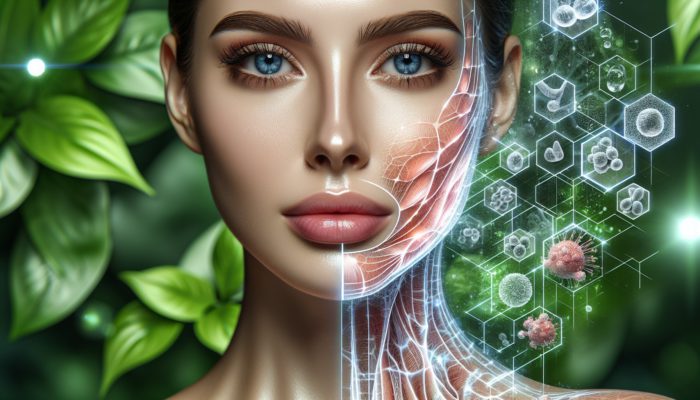
How Can Collagen Transform Your Skin Health?
What Factors Affect Collagen Production in the Body?
The synthesis of collagen is profoundly influenced by various lifestyle factors, including diet, physical activity, and environmental conditions. A diet rich in vitamins and minerals, particularly vitamin C, zinc, and amino acids, is crucial for effective collagen production. Foods such as citrus fruits, leafy greens, nuts, and fish can naturally enhance the body’s collagen synthesis. Conversely, poor dietary choices may result in decreased collagen levels, negatively impacting skin texture and resilience.
Additionally, regular physical exercise boosts circulation, improving the delivery of essential nutrients needed for collagen production. Engaging in activities like yoga, running, or strength training not only benefits muscle health but also contributes to a more youthful appearance of the skin. Environmental stressors, such as UV exposure and pollution, can accelerate collagen breakdown, necessitating protective measures like applying sunscreen and using antioxidant-rich skincare products. By maintaining optimal collagen levels through effective lifestyle choices, individuals can observe fewer signs of aging and improved dermal health over time.
How Can You Recognise Signs of Collagen Deficiency?
Identifying the signs of collagen deficiency is vital for achieving and sustaining beauty and fitness goals. Common indicators include dry skin, reduced elasticity, and increased wrinkles, all of which can significantly disrupt personal care regimens. As collagen levels decline, individuals may notice their skin becoming more prone to sagging and fine lines, detracting from their overall appearance. Moreover, a lack of collagen can lead to joint discomfort and decreased mobility, hindering fitness aspirations.
Addressing early signs of collagen deficiency can help restore vitality and prevent long-term skin and joint complications. By integrating collagen-rich foods and supplements into daily routines, individuals can take proactive steps that yield significant benefits. Many who begin a regimen of collagen supplementation report noticeable enhancements in skin texture and reductions in joint pain over time. This underscores the critical importance of being aware of collagen levels and taking action, emphasising how proactive personal care can lead to healthier, more resilient skin and enhanced overall well-being.
What Daily Practices Can Boost Skin Health with Collagen?

To maximise skin health and appearance, seamlessly integrating collagen into daily routines can be both simple and impactful. One of the most accessible methods is through dietary alterations, where the addition of collagen-rich foods can enhance skin radiance while supporting fitness activities with stronger, more supple tissues. For instance, bone broth serves as an excellent source of collagen that can be easily incorporated into soups and stews. Similarly, collagen peptides, which dissolve effortlessly in liquids, can be mixed into smoothies or coffee for a convenient nutrient boost.
Alongside dietary sources, collagen supplements are increasingly popular among individuals seeking to improve their skin health. These supplements come in various forms, including powders, capsules, and beverages, providing flexibility for individuals to incorporate them into their diets. The added benefit of collagen supplementation is that it often contains additional vitamins and minerals that further enhance skin health, making the overall approach even more effective.
By making small, consistent adjustments to daily habits, individuals can achieve a glowing complexion while supporting their fitness goals. Regular collagen intake, whether through food or supplements, can lead to noticeable improvements in hydration, elasticity, and overall skin vitality. This holistic approach not only elevates beauty but also supports a comprehensive fitness regimen, resulting in a balanced, healthy lifestyle.
How Does Collagen Promote Skin Repair?
Collagen is integral to skin repair, particularly in accelerating wound healing and encouraging tissue regeneration. This protein supports the extracellular matrix, ensuring rapid recovery from injuries while enhancing the overall durability of the dermis. For fitness enthusiasts, the capability to quickly recover from scrapes, cuts, or other skin injuries is crucial, as it allows them to maintain their workout routines without interruptions.
Moreover, by minimising scars and preserving skin integrity, collagen aids in achieving a more uniform skin tone and texture. The presence of collagen within the skin supports the healing process by providing a framework for new cells to develop and thrive. This is especially important for those leading active lifestyles, where skin often endures various stresses from environmental factors, workouts, and hormonal fluctuations.
Incorporating collagen into daily skincare routines can significantly enhance these repair processes. This may involve using topical products that contain collagen or peptides designed to stimulate collagen production within the skin. Ultimately, collagen’s role in skin repair is multifaceted, offering both structural support and facilitating healing, making it a vital component of any beauty and fitness regimen.
How Does Collagen Enhance Skin Hydration?
Increasing collagen levels in the body can dramatically improve moisture retention and the functionality of the skin barrier. A well-hydrated skin barrier is essential for minimising dryness and fostering a plump, youthful appearance. Collagen contributes to skin hydration by reinforcing its structure, allowing it to retain moisture more effectively. This benefit is particularly crucial in today’s environment, where pollutants and harsh weather conditions can compromise skin health.
Regular dietary or supplemental intake of collagen can help combat environmental damage that leads to dehydration and signs of skin aging. For instance, individuals who incorporate collagen into their routines often report enhancements in skin texture and hydration levels. Additionally, collagen helps regulate moisture levels within the skin, ensuring it remains resilient against external aggressors.
Consistent collagen intake can significantly aid in maintaining skin hydration and promoting a radiant complexion. This practice not only elevates beauty but also supports overall skin health. By prioritising collagen through food sources and supplements, individuals can achieve lasting hydration that protects against aging while supporting fitness activities that challenge the skin’s resilience.
Gain Expert Insights into the Benefits of Collagen for Beauty and Fitness
What Practical Steps Can You Take to Boost Your Collagen Intake?
For those looking to enhance their beauty and fitness routines, effectively incorporating collagen into daily life involves actionable steps that are easy to implement. One effective strategy is to ensure a consistent intake of collagen-rich foods and supplements. For instance, adding bone broth to meals or including collagen peptides in smoothies can provide a convenient and nutrient-dense source of this essential protein.
Experts recommend monitoring collagen intake to determine what works best for individual health goals. Many find that combining dietary sources with supplements yields optimal results. For example, taking a collagen supplement in the morning can complement a collagen-rich meal later in the day, allowing for maximum absorption and utilisation within the body, thereby enhancing both skin radiance and fitness performance.
Furthermore, timing can influence collagen intake. Consuming collagen post-workout may facilitate muscle recovery and skin repair, making it a strategic addition to recovery routines. By integrating these practical steps into daily habits, individuals can enjoy the long-term benefits of collagen, leading to enhanced overall health, skin vitality, and improved performance in fitness activities.
What Advanced Strategies Can Help Maintain Collagen Levels?
Maintaining collagen levels is essential for ensuring lasting improvements in beauty and physical capabilities. Experts recommend advanced strategies that combine targeted exercises and nutrition plans specifically designed to preserve and enhance collagen production. For instance, engaging in resistance training can stimulate collagen synthesis in muscles and connective tissues, resulting in stronger and more resilient structures.
Moreover, nutrition plays a pivotal role. Consuming foods rich in antioxidants, such as berries and green leafy vegetables, can help shield collagen from oxidative stress caused by free radicals. Supplements containing vitamins C and E, along with hyaluronic acid, can further support collagen health. These nutrients work together to enhance skin hydration and elasticity, promoting a youthful appearance while supporting fitness activities.
Furthermore, staying hydrated is vital for collagen maintenance. Drinking ample amounts of water throughout the day helps keep skin cells hydrated, allowing collagen to function effectively. By incorporating these advanced strategies into daily routines, individuals can prioritise collagen health and support their beauty and fitness aspirations, achieving a balanced, holistic approach to personal wellness.
How Can You Assess the Effectiveness of Collagen?
To evaluate the impact of collagen on beauty and fitness, experts suggest monitoring changes in both skin and fitness metrics. Keeping a journal to document observations, such as improvements in skin texture, elasticity, and overall appearance, can provide valuable insights into the effectiveness of collagen intake. Similarly, assessing fitness performance, including recovery times and muscle soreness, can help gauge the benefits of collagen supplementation.
Regular assessments allow for refining practices to achieve better outcomes in beauty and health. For instance, if individuals notice significant improvements in skin hydration and recovery time, they may choose to increase their collagen intake or adjust its timing. Understanding these metrics empowers individuals to make informed decisions about their beauty and fitness regimens, maximising the benefits of collagen for long-term health.
Moreover, consulting with a healthcare professional or nutritionist can offer additional guidance on evaluating collagen effectiveness. These experts can help tailor strategies to meet individual needs, ensuring that collagen intake aligns with personal health goals. By establishing clear metrics and tracking progress, individuals can confidently navigate their beauty and fitness journeys while optimising collagen’s role in their routines.
What Are the Most Effective Methods to Incorporate Collagen into Your Lifestyle?
What Are the Common Strategies for Adding Collagen to Your Diet?
Incorporating collagen into daily routines can be achieved through practical methods that significantly enhance beauty and fitness outcomes. One popular approach is to add collagen supplements to meals or beverages. Collagen peptides, for example, can be effortlessly mixed into smoothies, soups, or coffee without altering taste or texture, providing an easy way to boost collagen intake.
Another effective strategy is to consume collagen-rich foods. Bone broth is an excellent source of collagen that can be included in a range of dishes. Additionally, foods such as chicken skin, fish, and eggs are natural sources of collagen that support skin health and muscle repair. Regular incorporation of these foods into meals can amplify the benefits of collagen, making it a readily accessible addition to daily diets.
Moreover, considering collagen-infused skincare products can complement internal intake. Creams and serums containing collagen or peptides can enhance skin hydration and elasticity from the outside. This comprehensive approach ensures individuals can maximise the benefits of collagen for both beauty and fitness, thereby improving overall well-being.
Why Is It Important to Choose Natural Sources of Collagen?
Opting for natural sources of collagen is essential for supporting skin rejuvenation and achieving fitness improvements without relying on synthetic alternatives. Whole foods rich in collagen not only provide this essential protein but also deliver complementary nutrients that enhance overall health. For example, consuming wild-caught fish supplies omega-3 fatty acids that improve skin health in addition to collagen, making it a dual-purpose food for beauty.
Natural sources tend to be less processed, allowing for improved nutrient absorption by the body. For instance, organic bone broth made from high-quality bones is rich in amino acids and minerals that support collagen synthesis. This holistic approach to health maintenance focuses on nourishing the body with the best possible ingredients, fostering a more sustainable relationship with beauty and fitness.
Incorporating a variety of natural collagen sources can also help prevent potential deficiencies and promote a balanced diet. Engaging with local farmers’ markets or sourcing sustainably can enhance the quality of food consumed while supporting community health. By choosing natural collagen sources, individuals ensure they reap the maximum benefits from their dietary choices, contributing to both beauty enhancements and fitness progress.
What Potential Challenges Might You Encounter When Using Collagen?
Overcoming potential challenges associated with collagen use requires a proactive approach to ensure it continues to support beauty and fitness advancements. One common obstacle is inconsistent intake, which can diminish the benefits of collagen supplementation. To address this, individuals can establish a routine that seamlessly integrates collagen into their daily lives. For instance, setting a specific time each day to consume collagen can help reinforce this habit.
Another challenge may arise from the tendency to overlook dietary sources of collagen. Some individuals may focus solely on supplements while neglecting the importance of natural food sources. To counter this, planning meals that incorporate collagen-rich ingredients can promote a more balanced approach to intake. Meal prepping can help ensure that these foods are readily available, making it easier to integrate collagen into daily diets.
Additionally, some individuals may experience digestive discomfort when they first introduce collagen supplements into their routines. To alleviate this, starting with a smaller dosage and gradually increasing it can help the body adjust. Ensuring adequate hydration and combining collagen with other supportive nutrients can also enhance digestion. By addressing these challenges, individuals can maximise the benefits of collagen and improve their beauty and fitness outcomes.
Which Collagen Supplements Are Recommended for Optimal Results?
Exploring effective collagen supplements can significantly boost intake, enhancing skin health, joint flexibility, and energy levels for improved beauty and fitness outcomes. When selecting collagen supplements, it is essential to seek high-quality options derived from grass-fed bovine sources or wild-caught fish. These options typically provide a more comprehensive amino acid profile necessary for collagen synthesis.
Hydrolysed collagen peptides are particularly favoured due to their ease of absorption by the body, leading to quicker results. Many individuals find that taking collagen in powder form is versatile; it can be blended into smoothies, baked goods, or morning coffee. Additionally, liquid collagen supplements have gained popularity for their convenience and rapid absorption.
To safely incorporate collagen supplements into daily routines, consulting with a healthcare professional can provide personalised guidance. This ensures that individuals choose the right type and dosage based on their unique health needs and goals. By selecting high-quality collagen supplements and incorporating them thoughtfully into daily life, individuals can maximise the long-term benefits of collagen for beauty and fitness.
Unveil Research-Backed Benefits of Collagen for Beauty and Fitness
How Does Collagen Contribute to Anti-Aging Effects?
Collagen plays a pivotal role in the anti-aging process by reducing fine lines and enhancing skin elasticity and firmness. Research indicates that collagen supplementation can lead to a more youthful appearance by helping restore the skin’s structural integrity. By improving moisture retention and promoting cell regeneration, collagen actively combats visible signs of aging.
Moreover, collagen’s benefits extend to fitness, enhancing joint mobility and recovery. As individuals engage in physical activities, maintaining joint health becomes critical for overall performance and comfort. Collagen’s supportive role in preserving cartilage and joint structures facilitates smoother movements and diminishes discomfort, essential for those pursuing active lifestyles.
Incorporating collagen into daily routines can serve as a comprehensive anti-aging strategy, positively impacting both skin health and fitness. By prioritising collagen intake, individuals can enjoy a more youthful appearance while ensuring their bodies remain resilient and capable of withstanding physical challenges.
What Are the Long-Term Effects of Collagen on Fitness Performance?
Sustained collagen use has shown long-term effects on fitness performance, particularly in terms of endurance and strength. Research correlates collagen supplementation with enhanced muscle function and injury prevention, promoting a balanced approach to physical activities. By strengthening the structural integrity of muscles and connective tissues, collagen contributes to improved athletic performance and quicker recovery.
For those engaged in regular training, collagen supplementation can support muscle repair, enabling higher-intensity, more frequent workouts without the risk of injury. This is especially beneficial for athletes or individuals involved in high-impact sports where joint stress is prevalent. Over time, consistent collagen intake can establish a solid foundation for performance, facilitating ongoing engagement in fitness pursuits.
Furthermore, individuals may experience improved overall energy levels, as collagen supports optimal nutrient absorption and helps reduce exercise-induced fatigue. This holistic benefit enhances not only fitness performance but overall vitality, making collagen a valuable addition to any fitness regimen.
What Trusted Strategies Can Optimise Collagen Intake?
Experts recommend pairing collagen with exercise for maximum benefits, offering trusted strategies to integrate it into beauty and fitness plans. Engaging in regular strength training or resistance exercises can stimulate collagen production, enhancing both muscle and skin health. This synergy creates a more comprehensive approach to wellness, where physical activity and dietary choices work together seamlessly.
Additionally, combining collagen with other nutrients, such as vitamin C, can optimise its effectiveness. Vitamin C is a known co-factor in collagen synthesis, making it a powerful partner in elevating overall collagen levels. Consuming foods high in vitamin C alongside collagen sources can yield more significant results in skin health and recovery.
Tracking progress and adjusting intake based on individual responses can further refine collagen optimisation strategies. For instance, if an individual notices improved skin texture and reduced joint discomfort with increased collagen intake, they may choose to maintain or increase their supplementation. By implementing these trusted strategies, individuals can elevate their beauty and fitness journeys and maximise the potential benefits of collagen.
How Does Collagen Affect Hair and Nail Health?
Research indicates that collagen positively influences hair thickness and nail strength, further enhancing beauty aesthetics. Numerous individuals report noticeable improvements in their hair’s volume and overall health when they incorporate collagen into their routines. Collagen provides the structural support necessary for healthy hair follicles, promoting growth and minimising breakage.
In terms of nail health, collagen contributes to stronger, less brittle nails, which is essential for maintaining beauty. This impact on hair and nails complements the overall benefits of collagen for skin and muscle recovery. Fitness enthusiasts often experience physical stress, and maintaining healthy hair and nails supports the broader narrative of wellness.
Incorporating collagen into daily diets can significantly enhance hair and nail health, extending its benefits beyond skin and muscle recovery. By prioritising this protein as part of a comprehensive beauty and fitness regimen, individuals can enjoy enhanced aesthetics and supported physical performance, reinforcing the idea that beauty and health are intricately linked.
What Is Collagen’s Role in Boosting Bone Density for Active Individuals?
Studies indicate that collagen supplementation is associated with increased bone mineral density, a critical factor in reducing fracture risk and promoting longevity. For active individuals, maintaining strong bones is vital for optimal performance and injury prevention. Collagen provides the structural foundation for bones, aiding in their strength and resilience.
As people engage in physical activities, the demands on bones increase, making collagen an essential component for those pursuing active lifestyles. Incorporating collagen into daily routines can help fortify bone health, enabling individuals to pursue their fitness goals with confidence. Regular supplementation can help prevent age-related bone loss, maintaining sustained physical capabilities over time.
Furthermore, the benefits of collagen extend beyond bone health, contributing to overall well-being. By supporting joint function and muscle recovery, collagen fosters a holistic approach to fitness, ensuring that individuals remain active and engaged in their pursuits. Prioritising collagen intake is essential for maintaining a strong, youthful structure, allowing individuals to thrive in their fitness endeavours.
Why Is Collagen Crucial for Fitness?
What Effect Does Collagen Have on Muscle Recovery?
Collagen significantly accelerates recovery after workouts by supporting tissue repair and minimising soreness. During intense physical activity, muscles experience micro-tears that require efficient recovery mechanisms. Collagen supplies the necessary amino acids for repairing and rebuilding muscle tissue, enabling a swift return to fitness activities. This quality is particularly beneficial for athletes and fitness enthusiasts aiming to optimise their performance.
Furthermore, collagen contributes to skin health by enhancing hydration and elasticity, which are vital for individuals engaged in physical activities. Well-hydrated skin is less susceptible to environmental stressors, while increased elasticity can help minimise injury risk. Thus, by supporting both muscle recovery and skin health, collagen serves as a multifaceted ally in achieving fitness goals.
Incorporating collagen into post-workout nutrition, such as in smoothies or protein shakes, can amplify these benefits. By prioritising collagen intake, individuals can enhance recovery, leading to improved overall performance and sustained engagement in fitness activities.
How Does Collagen Aid Joint and Bone Health?
Collagen strengthens the structural components that endure physical stress, significantly aiding in smoother movements and injury prevention during fitness pursuits. Joint health is crucial for maintaining an active lifestyle, and collagen supports cartilage integrity, reducing joint wear and tear. This protective effect allows individuals to engage in strenuous activities without the risk of joint pain or discomfort, which could hinder performance.
Moreover, collagen’s contribution to bone health is equally important. By enhancing bone mineral density, collagen supplementation lowers the risk of fractures and injuries, especially in active individuals who place high demands on their skeletal system. This benefit is essential for those involved in high-impact sports or rigorous training regimens where the likelihood of joint and bone injuries is heightened.
Integrating collagen into daily nutrition can significantly boost joint and bone health, promoting longevity in fitness pursuits. Whether through dietary sources or supplements, prioritising collagen is vital for maintaining overall resilience and functionality, empowering individuals to pursue their fitness passions with vigour and confidence.
How Can Collagen Be Effectively Incorporated into Exercise Plans?
Integrating collagen into exercise plans can be accomplished through simple additions, such as incorporating supplements or adjusting diets to enhance performance. For example, individuals may opt to take collagen peptides before or after workouts to support muscle recovery and joint health. This strategic timing maximises absorption and utilisation, amplifying the benefits of collagen in fitness routines.
In addition to supplements, meal planning can include collagen-rich foods. Consuming dishes featuring bone broth or fish can provide an excellent source of natural collagen to support overall health. Pairing these foods with a balanced diet rich in proteins, vitamins, and minerals further enhances the effectiveness of collagen in fitness plans.
Individuals may also explore hydration strategies, as remaining well-hydrated enhances collagen’s ability to support muscle function and skin health. Incorporating collagen into hydration routines, such as adding it to post-workout drinks, can optimise results. By employing these strategies, individuals can ensure that collagen effectively contributes to both fitness gains and skin vitality, fostering a holistic and effective health strategy.
How Does Collagen Boost Energy and Stamina During Fitness Activities?
Collagen elevates energy levels by improving nutrient absorption and reducing exercise-induced fatigue. When the body receives adequate support from collagen, essential amino acids become available to aid in ATP production, which is vital for sustaining energy during physical activities. This increase in energy can significantly enhance stamina and performance, allowing individuals to participate in prolonged workouts and fitness events.
Moreover, collagen’s role in minimising muscle soreness and facilitating recovery is critical for overall energy management. Reducing fatigue and discomfort post-exercise enables individuals to maintain a more consistent training schedule, which is crucial for achieving fitness goals. Many athletes incorporate collagen into their pre- and post-workout nutrition, noticing improvements in performance and recovery.
By prioritising collagen intake, individuals can not only support their fitness routines but also enhance overall vitality and well-being. This comprehensive approach to energy and stamina highlights the importance of collagen as a foundational element in successful fitness regimens.
Implement Effective Strategies to Maximise Collagen Benefits
What Daily Habits Can Effectively Support Collagen Levels?
To amplify the benefits of collagen, establishing effective daily habits is essential. Here are some practical tips:
- Stay hydrated by drinking plenty of water daily.
- Include vitamin C-rich foods, such as oranges and bell peppers, to support collagen synthesis.
- Incorporate collagen-rich foods like bone broth and fish into your meals.
- Consider taking collagen supplements to ensure adequate intake.
- Engage in regular strength training exercises to stimulate collagen production.
- Minimise exposure to UV rays and pollution to protect collagen levels.
- Consume a balanced diet rich in antioxidants to combat oxidative stress.
- Monitor progress and adjust intake as needed for optimal results.
By integrating these habits into daily life, individuals can ensure that collagen supports not only their beauty objectives but also enhances fitness performance. The synergy between hydration, nutrition, and exercise fosters an environment where collagen can thrive, leading to improved skin, joint, and muscle health.
How Can You Track Progress Related to Collagen Intake Over Time?
Tracking changes over time is crucial for understanding how collagen supports beauty and fitness objectives. By documenting personal experiences, individuals can identify what works best for them and adjust their habits accordingly. This may involve keeping a journal to note improvements in skin texture, energy levels, and recovery times.
Regular assessments also allow individuals to evaluate their collagen intake and its effects on their overall health. For instance, noticing a reduction in joint discomfort or an improvement in skin elasticity can indicate that collagen is positively impacting their well-being. Adjusting diet and supplement regimens based on observed outcomes can further refine collagen optimisation strategies.
Engaging with healthcare professionals or nutritionists can provide additional insights into tracking progress. These experts can help identify specific metrics to monitor, ensuring that collagen continues to support beauty and fitness goals effectively. By remaining proactive and attentive to changes, individuals can maximise the benefits of collagen and foster continued growth in their personal wellness journeys.
What Are the Common Misconceptions Linked to Collagen Use?
Addressing myths about collagen is essential for promoting informed choices that maximise its potential for beauty and fitness. One prevalent misconception is that the skin can absorb collagen directly through topical applications. While some products contain collagen, the skin’s structure prevents large molecules from penetrating deeply. Instead, collagen must be ingested effectively to support skin health from within.
Another myth is that all collagen supplements are the same. The source and quality of collagen can vary significantly, affecting its effectiveness. It is crucial to choose high-quality collagen derived from reputable sources, as this ensures a complete amino acid profile necessary for optimal results.
Additionally, some may believe that collagen is solely beneficial for skin health. In reality, collagen plays a vital role in joint, muscle, and bone health. This multifaceted benefit underscores the importance of incorporating collagen into overall health and wellness regimens.
By dispelling these misconceptions, individuals can make more informed decisions regarding collagen use, leading to stronger, healthier outcomes as they navigate their beauty and fitness journeys.
Frequently Asked Questions About Collagen
What is collagen, and why is it significant?
Collagen is a vital protein that provides structure to skin, muscles, bones, and connective tissues. It plays a crucial role in maintaining skin elasticity, joint health, and overall physical performance.
How can I include collagen in my diet?
You can incorporate collagen through foods like bone broth, fish, chicken skin, and eggs. Additionally, collagen supplements, available in powder or capsule form, can be added to smoothies or meals for an extra boost.
What are the benefits of collagen for skin health?
Collagen enhances skin firmness, elasticity, and hydration, helping to reduce wrinkles and promote a youthful appearance. It also aids in skin repair and regeneration after injuries.
How does collagen assist in muscle recovery?
Collagen provides essential amino acids that help repair muscle tissue after workouts. Consuming collagen can reduce soreness and accelerate recovery time, enhancing overall performance and endurance.
Can collagen help alleviate joint pain?
Yes, collagen supports joint health by maintaining cartilage integrity and reducing inflammation, thereby alleviating joint pain and improving mobility during physical activity.
What factors influence collagen production in the body?
Collagen production is influenced by diet, physical activity, age, and environmental factors like sun exposure and pollution. A balanced diet and regular exercise can enhance collagen synthesis.
Are there any side effects associated with collagen supplements?
Collagen supplements are generally considered safe for most individuals. However, some may experience digestive discomfort. Starting with smaller doses can help mitigate this effect.
How long does it take to see results from collagen supplementation?
Results can vary, but many individuals notice improvements in skin health and joint function within four to six weeks of consistent collagen intake. Long-term benefits can be observed with sustained use.
Is it better to obtain collagen from food or supplements?
Both food sources and supplements have their advantages. Natural food sources provide additional nutrients, while supplements can offer higher doses of collagen. A combination of both is often recommended for optimal results.
Can I source collagen from vegetarian or vegan options?
Traditional collagen is derived from animal sources, but some plant-based products contain ingredients that may support collagen synthesis, such as vitamin C and amino acids found in certain fruits and vegetables.
Connect With Us on Facebook!
The Article Collagen in Beauty Fitness: Boost Your Skin and Strength appeared first on https://athleticsupplement.com
The Article Collagen for Beauty and Fitness: Enhance Skin and Strength Was Found On https://limitsofstrategy.com
References:
https://berwicktestandtag.com.au/collagen-for-skin-and-strength-boost-beauty-and-fitness/