Effective Strategies for Preparing Your UK Home Against Rainy Weather Challenges
Conducting a Thorough Inspection of Your Home’s Structure and Condition

Before embarking on any clearance activities, it is essential to conduct a meticulous inspection of your home’s structural integrity and waterproofing elements. Rainy conditions can intensify existing problems such as moisture intrusion, leaks, and structural weaknesses. Start your inspection by thoroughly checking the roof for any missing tiles or visible signs of wear and tear, and ensure that your gutter system is free from debris. You want to avoid additional water entering your home during the clearance, as it could lead to even more issues.
Additionally, inspect both the walls and foundation for any cracks or signs of mould growth. These issues indicate that moisture has breached your property, potentially hindering your clearance efforts and damaging your belongings. Pay particular attention to basements and ground floors, as these areas are especially vulnerable to flooding and moisture accumulation. If you uncover any significant concerns, it is wise to consult a professional for advice on waterproofing solutions or essential structural repairs before proceeding with any clearance.
Another critical step is to assess the efficiency of the drainage systems surrounding your property. Proper drainage can prevent water from accumulating and turning the clearance process into a risky endeavour. As part of your thorough evaluation, ensure that nearby drains are functioning optimally and are free of blockages. Implementing temporary barriers or sandbags to redirect water flow away from your property, especially during heavy rainfall, is an intelligent precaution to take.
What Essential Tools Should You Gather for an Effective Rainy Clearance?
Equipping yourself with the right tools is vital for successfully clearing your home in wet conditions. Essential tools include waterproof tarps, which can shield items at risk of moisture exposure during the clearance process. Heavy-duty bins are also indispensable for sorting waste efficiently, ensuring that different types of waste are organised and preventing cross-contamination, which is crucial for effective waste management.
Moisture-resistant gloves are essential for handling items that may be damp or in poor condition. Investing in waterproof footwear is also wise, as it will keep you safe and dry in potentially slippery environments. If your clearance involves moving larger items, having a sturdy hand truck or dolly can save time and reduce physical strain on your body, making the overall process smoother and more efficient.
Being prepared for unexpected challenges is also a smart strategy. Including items like bungee cords or straps can help secure loads during transportation, while a basic toolkit will enable you to make on-the-spot repairs as needed. Finally, ensure you have access to reliable lighting sources, such as portable floodlights, to maintain visibility during dark or overcast conditions, thereby ensuring a safe working environment throughout the clearance.
How Can You Ensure the Safety of Your Valuables During the Clearance Process?
Safeguarding your valuables during the rainy clearance operation is paramount. Begin by identifying sentimental items and electronic devices, as these possessions are often more vulnerable to water damage. Wrap these important items in waterproof materials, such as plastic sheeting or heavy-duty garbage bags, to shield them from moisture exposure. For particularly valuable possessions, consider storing them in waterproof containers that provide an additional layer of protection against potential water damage.
Store these protected valuables in a dry area of your home, ideally in a room less likely to experience water ingress. If feasible, elevate important items off the floor on shelves or in cabinets to further shield them from any potential flooding. Additionally, creating an inventory of these valuables can assist in tracking them during the clearance and serve as a record for insurance purposes, providing you with peace of mind throughout the process.
As you prepare for the clearance, communicate effectively with all involved parties—family members or hired help—about the locations of valuable items and the importance of keeping them secure. By establishing a clear plan to protect these items, you can significantly reduce the risk of damage throughout the clearance process, ensuring that your important belongings remain intact and safe.
How to Effectively Manage Water Accumulation During the Clearance Process?

Effectively managing water accumulation during the clearance process is crucial to prevent flooding and ensure a safer working environment. The first step is to evaluate your property’s drainage capacity and identify any key areas where water tends to pool. Having a robust drainage strategy can significantly mitigate complications during the clearance operation. If your home is susceptible to flooding, consider using pumps or wet vacuums to actively remove standing water, keeping the workspace safe and manageable.
In addition to pumps, utilising absorbent materials like sandbags or absorbent mats can help effectively manage water accumulation. Strategically placing these materials at entry points or areas prone to water ingress can slow the flow of water and create a more manageable environment for clearance. Regular monitoring of these areas throughout the clearance process will allow you to respond swiftly if any water accumulates, ensuring a seamless operation.
Lastly, maintaining open communication with your team and alerting them to any potential water issues as they arise is crucial. Conduct regular checks on drainage areas and employ proactive measures to streamline your clearance efforts, allowing you to focus on the tasks at hand rather than dealing with water-related interruptions that can hinder productivity.
What Safety Measures Should You Implement Throughout the Clearance Process?
Safety should always be your top priority during any clearance operation, particularly in rainy conditions. Begin by wearing appropriate protective gear, which should include waterproof clothing, gloves, and non-slip footwear. Wet surfaces can be extremely slippery, making it essential to use footwear designed specifically for these conditions. Ensure that your clothing is lightweight yet waterproof, allowing for ease of movement while keeping you dry and comfortable during the operation.
Furthermore, proper lighting is critical to maintaining a safe working environment during gloomy or rainy conditions. Invest in portable floodlights or headlamps to provide adequate visibility, especially in dark corners or basements where shadows can obscure potential hazards. Establishing a clean workspace, free of debris and clutter, contributes to a safer environment, minimising the risk of accidents and injuries that can occur during the clearance.
Lastly, remember to take regular breaks to avoid fatigue, which can lead to lapses in judgment and potential hazards. Establishing a team system can help ensure that everyone remains alert and safe throughout the clearance process. By prioritising these safety measures, you can conduct a thorough and efficient clearance operation without compromising on safety, ensuring everyone’s well-being.
Insightful Strategies for Clearing a UK Home During Rainy Conditions
Incorporating Real-World Examples of Successful Home Clearances
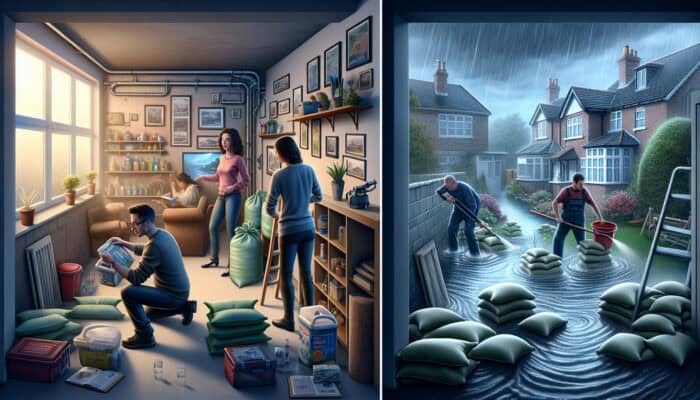
Real-world examples can provide invaluable lessons on effective strategies for clearing homes in rainy conditions. One notable case involved a family in Manchester who faced extensive flooding due to prolonged rainfall. They successfully navigated the clearance by adopting a proactive strategy that included early preparation, such as waterproofing their basement and storing all valuables above ground level to reduce the risk of water damage.
Another illustrative example comes from a property in Bristol, where the homeowners encountered additional challenges as their garden was adjacent to the house, often leading to water pooling. They employed a combination of sandbags and effective drainage solutions to divert water flow, allowing them to clear their home without significant damage. Key strategies utilised in both scenarios included:
- Thorough pre-clearance assessments of property conditions
- Early identification and protection of valuable items
- Strategic use of drainage systems and barriers to mitigate flooding
- Efficient team organisation to enhance safety and speed during the clearance
These examples highlight the importance of careful planning and proactive management when undertaking a clearance in the rain. By learning from these successes, homeowners can implement similar strategies to protect their properties and ensure a smoother clearance experience.
Providing Expert Insights on Effective Weatherproofing Techniques
Weatherproofing is a vital aspect of successfully clearing a home in rainy conditions. Several techniques can be employed to create a moisture barrier, ensuring your clearance process is as smooth as possible. One of the most effective methods is sealing windows and doors with weatherstripping or caulk, which minimises the risk of rainwater entering your home and causing damage during the clearance.
In addition to sealing, consider installing or repairing drainage systems around your property to channel water away from the foundation. This is particularly crucial for homes located near water sources or in areas prone to flooding. Using waterproof membranes in basements or crawl spaces can further prevent moisture ingress, creating a safe environment for clearance activities and protecting your belongings.
When selecting weatherproofing materials, some recommended solutions include:
- High-quality silicone sealants for windows and doors
- Waterproof tarps and sheeting for outdoor protection
- Drainage tiles for effective water management
- Moisture barriers for basements and crawl spaces to prevent flooding
Implementing these weatherproofing techniques not only protects your home during the clearance process but also helps maintain its long-term integrity, ensuring resilience against future weather challenges that could impact your property.
What Best Practices Should You Follow for Rainy Clearance Operations?
Best practices for conducting a clearance in rainy weather revolve around timing, pacing, and effective task prioritisation. Commence your clearance during lighter rain or breaks in heavy downpours whenever possible. This approach will create a more manageable environment and minimise risks associated with slippery surfaces and water accumulation that can complicate the clearance process.
Prioritising tasks is essential; start with areas most affected by water, such as basements or ground floors, and work your way upwards. This methodology not only addresses potential issues immediately but also helps prevent water from travelling upwards and causing further damage to upper levels of your home, ensuring a comprehensive clearance.
Moreover, pacing yourself and your team is vital for maintaining safety and efficiency. Schedule regular breaks and encourage team members to communicate any difficulties or hazards they encounter. By fostering a culture of teamwork and vigilance, you can achieve successful clearance even in challenging rainy weather, making the process smoother for everyone involved.
Effective Waste Management and Recycling Strategies in Wet Conditions
Efficiently Sorting Waste During Rainy Weather
Sorting waste effectively during rainy weather necessitates careful planning and organisation to prevent contamination. Using waterproof bins and bags is crucial to keep different waste types separated and dry. Designate specific bins for recyclables, general waste, and hazardous materials to maintain a clear and efficient sorting process, ensuring compliance with local regulations and guidelines.
Ensure that each bin is clearly labelled to avoid confusion among team members. Consider using brightly coloured bins or adding visual cues to indicate the types of waste to be disposed of. This strategy will facilitate quicker sorting and reduce the risk of contamination, which is especially critical for recyclable materials that must be kept clean and dry.
When operating in wet conditions, it is essential to regularly monitor the integrity of your waste bags and bins. Check for leaks or damage frequently, and replace any compromised containers immediately. By incorporating these practices, you can ensure that your waste management process remains efficient and compliant, even in challenging weather conditions, safeguarding the environment.
How Can You Safely Handle Hazardous Waste During Rainy Conditions?
Handling hazardous waste requires a meticulous approach, especially in rainy weather, where conditions can complicate disposal. Adhering to UK regulations is essential; this includes the proper segregation and disposal of hazardous materials, such as batteries, chemicals, and electronics. Always refer to your local council’s guidelines for specific regulations concerning hazardous waste in your area to ensure compliance.
When sorting hazardous waste, ensure you wear appropriate personal protective equipment (PPE), such as gloves, masks, and goggles, to safeguard against exposure. Store hazardous materials in clearly marked, leak-proof containers until they can be disposed of at designated facilities. Avoid mixing hazardous waste with general rubbish, as this can pose serious environmental and safety risks, jeopardising public health.
Furthermore, familiarise yourself with the locations of local hazardous-waste disposal facilities. Many councils offer dedicated days for hazardous waste collection, providing an excellent opportunity to dispose of these items safely. By following these guidelines, you can manage hazardous waste responsibly, even during wet conditions, protecting both yourself and the environment.
Ensuring Compliance with Recycling Regulations During Your Clearance
Maintaining recycling compliance during a clearance operation is crucial, even in adverse weather conditions. Familiarising yourself with local recycling guidelines will enable you to sort recyclable materials correctly and responsibly. Many councils in the UK provide detailed resources that outline what can and cannot be recycled, which is vital to follow during clearance activities.
As you sort waste, ensure that recyclable materials are clean and dry to prevent contamination. Wet or dirty recyclables often end up in general waste bins, negating the purpose of recycling and harming the environment. Consider creating a designated area for recyclable materials to keep them separate from general waste until collection, ensuring efficient disposal.
Additionally, engage your team in discussions about the importance of recycling compliance. This will foster a sense of responsibility and ensure that everyone is aware of their role in protecting the environment during the clearance process. By prioritising recycling compliance, you contribute to sustainable waste management practices, even in challenging weather conditions, benefiting your community.
How to Protect Waste Collection Areas from Water Damage?
Protecting waste collection areas from water damage is essential for maintaining the integrity of recyclable materials and preventing waste degradation. Implementing protective covers and barriers can shield collection points from rain, ensuring that materials remain dry and uncontaminated. Tarps or waterproof sheeting can effectively cover exposed waste, while strategically placing bins under sheltered areas can also provide protection from rain.
Consider using raised platforms or pallets to elevate waste collection bins off the ground, preventing water from pooling around the bases and compromising the contents within. Regularly inspect these areas to ensure they remain protected, especially during heavy rainstorms. Engaging with your waste collection service can also provide insights into best practices for maintaining collection areas during wet conditions, enhancing your waste management system.
By prioritising the protection of waste collection points, you enhance the overall efficiency of your waste disposal practices and improve recycling outcomes within your community, contributing to a cleaner environment.
Research-Backed Advantages of Clearing Your UK Home During Rainy Weather
Implementing Actionable Steps for Minimising Mould Growth
Reducing mould growth during rainy clearance efforts is crucial for preserving a healthy living environment. Implementing preventive measures, such as improving ventilation and using dehumidifiers, can significantly limit mould proliferation. Ensuring that air circulates freely in your home is essential, especially during periods of high humidity, which can promote mould growth.
To further combat mould, focus on keeping surfaces dry and clean. Regularly inspect areas prone to moisture, such as basements and bathrooms, and promptly address any leaks or moisture intrusion. Utilise mould-resistant products during the clearance process, and always ensure materials are dry before storage. Here are some additional mould prevention strategies:
- Use exhaust fans in kitchens and bathrooms to reduce humidity and improve air circulation
- Keep windows open when the weather permits to promote airflow and ventilation
- Invest in moisture absorbers for enclosed spaces to manage humidity effectively
- Regularly clean household items to prevent mould build-up and maintain hygiene
By proactively managing moisture levels and ensuring your home remains well-ventilated, you can significantly reduce the risk of mould growth during and after the clearance process, creating a healthier living environment.
What Are the Health Benefits of Maintaining a Clear and Organised Home?
A clear and organised home offers profound health benefits, particularly in damp conditions. By reducing clutter and maintaining a tidy living space, you can diminish allergens and improve overall air quality. This is especially important during rainy weather when humidity can allow dust mites and mould to thrive, impacting your health and well-being.
Regular air filtration not only prevents allergen accumulation but also creates a more calming environment, contributing to mental well-being. Keeping a clear and organised home reduces stress and fosters a sense of order and control, which can be beneficial during challenging times, particularly during rainy weather.
Moreover, a clean home is easier to maintain, making it less likely for pests to take residence. By engaging in regular clearances, you promote a healthier living environment that can enhance both physical and mental health, ensuring your home remains a safe haven for all occupants.
Boosting Your Home’s Value Through Consistent Clearance Practices
Maintaining your home’s condition and aesthetic appeal directly correlates with its resale value. Regular clearance, even during rainy weather, ensures that your property remains in good shape, preventing long-term damage that can lead to costly repairs. Buyers are more inclined to be attracted to a well-maintained home, so ensuring your property is clear and in good repair can significantly enhance its market value.
Additionally, a clutter-free environment improves the aesthetic appeal of your property, creating a more spacious and welcoming atmosphere. Prospective buyers often envision their lives in a home during viewings, and a tidy space facilitates this process. By engaging in regular clearance activities, you protect your investment and set the stage for a successful sale in the future, maximising your property’s potential.
Critical Safety Measures for Clearing a UK Home in Rainy Conditions
Utilising Protective Gear to Enhance Safety During Clearance
Utilising appropriate protective gear is crucial for ensuring safety during the clearance process, especially in rainy conditions. Waterproof clothing, gloves, and sturdy, non-slip footwear are vital for keeping you dry and safe. Investing in high-quality gear specifically designed for wet conditions will enable you to work effectively without the fear of slipping or becoming soaked, which can distract from your tasks and increase the risk of accidents.
In addition to clothing, consider wearing safety goggles when handling hazardous materials or working in areas where debris may fly. These precautions are critical for safeguarding your health, particularly when performing tasks that may involve heavy lifting or a risk of falls, ensuring that you remain safe throughout the clearance.
Regularly inspect your gear for wear and tear, ensuring that everything is in good condition before commencing the clearance. Stay attentive to your surroundings and adjust your protective equipment as necessary, especially if conditions worsen. Using appropriate protective gear will significantly reduce the risk of accidents and injuries during rainy clearances, promoting a safe working environment for everyone involved.
What Are the Risks Involved with Working in the Rain During a Clearance?
Working in the rain presents several risks that can complicate the clearance process. Slippery surfaces pose a primary hazard, increasing the likelihood of falls and injuries. Water pooling can obscure potential dangers, making navigation difficult and unsafe. Additionally, working with electrical equipment in wet conditions poses significant risks, including the potential for electrocution, which can have serious consequences for those involved.
Moreover, prolonged exposure to wet conditions can lead to hypothermia or other health-related issues, especially if protective gear is inadequate. It is essential to remain aware of these risks and monitor weather conditions closely, adjusting your plans as necessary to ensure the safety of all individuals involved in the clearance process.
Establishing clear communication among your team can also mitigate risks, as everyone will be aware of the potential hazards and can assist one another in navigating safely through wet conditions. By keeping safety at the forefront of your operations, you can ensure a successful clearance while maintaining a safe environment for all participants.
Ensuring Safe Working Conditions Throughout the Clearance Process
Maintaining safe working conditions during a rainy clearance is imperative for the well-being of all participants. Ensure that the workspace is well-lit, particularly in areas prone to shadows or poor visibility. Portable floodlights or lanterns can effectively illuminate your surroundings, enabling safer navigation and minimising the risk of accidents that can occur in poorly lit areas.
Encourage team members to take regular breaks to avoid fatigue, as tiredness can lead to lapses in judgment, increasing the risk of accidents. Establish a system for checking in with one another to confirm that everyone remains safe and alert throughout the process. Furthermore, keep a first-aid kit on hand to address any minor injuries that may occur during the clearance.
By prioritising these safe working conditions, you create an environment where everyone can contribute effectively to the clearance process while minimising the risks associated with rainy weather, ensuring a smooth operation.
Proactively Managing Water Accumulation and Drainage Issues
Addressing water accumulation and drainage is vital during a clearance operation to prevent flooding and ensure a functional working area. Regularly monitor drainage systems and ensure they are clear of debris to facilitate the flow of water away from your property. This proactive approach can save considerable time and effort during the clearance process, allowing you to focus on clearing instead of dealing with water issues.
Utilising sump pumps or wet vacuums can assist in managing any water pooling, ensuring that the workspace remains dry and safe for all participants. Additionally, consider employing barriers such as sandbags to redirect water flow away from key areas of your home, particularly those prone to flooding, to maintain a safe environment.
Establishing a clear plan for addressing water accumulation will streamline your clearance efforts and reduce the need for reactive measures. By staying ahead of potential flooding issues, you can maintain a safe and effective working environment, enabling a successful clearance.
Essential Post-Clearance Care and Maintenance Strategies
Thoroughly Drying Out Your Home After Completing the Clearance
After finishing the clearance process, it is crucial to address any residual moisture to prevent mould growth and ensure a healthy living environment. Utilising fans and dehumidifiers is an effective way to eliminate excess moisture from your home. Positioning fans strategically in damp areas can improve airflow and accelerate drying, while dehumidifiers actively reduce humidity levels, making the environment safer for everyone.
In addition to mechanical methods, ensure that windows are opened whenever possible to facilitate ventilation. This will allow fresh air to circulate and further aid in the drying of your home. Regularly inspect for any lingering damp spots and address them immediately to prevent mould from establishing, thereby protecting your health and property.
By prioritising a thorough drying process after clearance, you create a healthier living environment and safeguard against potential long-term damage, ensuring your home remains a safe and pleasant space to live in.
How Can You Maintain Your Home’s Condition After Clearance?
Maintaining your home’s condition after a rainy clearance involves regular inspections and proactive care. Establish a maintenance routine that includes checking for leaks, monitoring humidity, and promptly addressing minor issues. Such vigilance will help prevent small problems from escalating into significant concerns that can lead to costly repairs.
Ensure you perform regular cleaning and organisation to keep your home in optimal condition. Pay particular attention to areas prone to dampness, such as basements, and take steps to enhance ventilation in these spaces. Consider scheduling seasonal inspections to consistently assess your home’s condition, allowing you to identify concerns before they escalate into larger issues.
By committing to a consistent maintenance routine, you enhance your home’s longevity and protect your investment over time, ensuring it remains a safe and comfortable environment for all occupants.
Preparing for Future Rainy Clearances with Improved Strategies
Preparing for future rainy clearances involves learning from your past experiences to streamline the process. Take note of what strategies worked well and what challenges arose during your last clearance effort, allowing you to refine your approach for next time. This may include adjusting your tool selection or enhancing your weatherproofing practices based on your experiences.
Establish a checklist of essential items and steps necessary for rainy clearances, ensuring that you’re always ready for the next task. Involve your team in these discussions to benefit from their insights and suggestions, thus enhancing overall preparedness and efficiency.
By leveraging your experiences to inform future rainy clearance procedures, you will create a more efficient and effective process, ensuring your home remains well-maintained and safe throughout the year.
Frequently Asked Questions About Rainy Clearances
What tools are essential for clearing a home in rainy weather?
The essential tools include waterproof tarps, heavy-duty bins, moisture-resistant gloves, and non-slip footwear. Additionally, consider having fans and pumps available for effective water management to facilitate the clearance.
How can I protect my electronics during a rainy home clearance?
Wrap electronics in waterproof materials and store them in a dry area within the house to safeguard against moisture damage during the clearance process, ensuring their safety.
What should I do about water accumulation during home clearing?
Utilise pumps or wet vacuums to remove standing water, and consider employing absorbent materials such as sandbags to manage water accumulation effectively, maintaining a safe environment.
How can I prevent mould growth after a clearance in rainy conditions?
Implementing proper ventilation, using dehumidifiers, and ensuring all surfaces are dry can significantly mitigate mould growth after clearance, protecting your home and health.
What safety gear is recommended for clearing a home in the rain?
Recommended safety gear includes waterproof clothing, gloves, and sturdy, non-slip footwear to protect against wet conditions and potential accidents during the clearance.
What are the risks associated with working in the rain during a clearance?
Risks include slippery surfaces, electrical hazards, and fatigue from wet conditions, all of which can lead to accidents during the clearance process.
How can I ensure compliance with recycling regulations during clearance?
Familiarise yourself with local recycling guidelines and sort materials accordingly, ensuring recyclables are clean and dry to prevent contamination and promote effective recycling.
What are the health benefits of maintaining a clear home?
A clean home reduces allergens, improves air quality, and creates a calmer, more organised environment, contributing to better physical and mental health for all occupants.
How can I enhance my home’s value through regular clearance?
Maintaining a clear and well-kept home prevents long-term damage, increases appeal to prospective buyers, and enhances overall market value, ensuring a successful future sale.
What should I do after clearing my home in rainy weather?
Post-clearance, focus on thoroughly drying out your home using fans and dehumidifiers, and establish a maintenance routine to address any lingering moisture or damage.
Connect with us on Facebook!
The Article: Clearing a UK Home in Rainy Weather: Essential Tips Was First Found At https://birminghamhouseclearance.com
The Article Essential Tips for Clearing a UK Home in Rainy Weather Was Found On https://limitsofstrategy.com