Understanding the Reasons Behind LED Light Failures
There are a myriad of factors that can lead to LED light failures, such as a malfunctioning driver (power supply), loose wiring connections, incompatible dimmer switches, or inherent issues with the LED module itself.
In Australia, it is imperative to consult a licensed electrician who can conduct a thorough inspection of any mains-voltage connections. This step is essential not only for ensuring safety but also for compliance with local regulations, ultimately protecting your home and financial investment.
Recognising and Resolving Common LED Lighting Problems
While LEDs are renowned for their energy efficiency and reliability, they can occasionally underperform or fail completely. Frequently, the root cause is not the LED bulb itself but rather associated components or errors made during the installation process.
In the upcoming sections, we will delve into the most common problems faced with LED lighting and offer practical, actionable solutions. Moreover, we will indicate when it is essential to seek assistance from your local electrician in Melbourne’s outer eastern suburbs for professional guidance.
1. Evaluating the Power Supply and Driver for Potential Failures
Most LED lights depend on a driver (or transformer) that converts mains voltage (230–240 V) to the appropriate low voltage necessary for LED modules to function effectively. If this driver fails, the LED may either not illuminate at all or could flicker intermittently.
Steps for Effective Troubleshooting:
- Verify that the switch or automatic circuit breaker is in the ‘on’ position.
- If the LED is visible, examine it for signs of driver burn-out or any physical damage.
- Consider any recent modifications made to your lighting system, such as the installation of dimmers or extending the run length of strip lighting beyond the driver’s specifications.
- In Australia, ensure that all components comply with lighting product standards like AS/NZS 62560, especially for mains voltage LED lamps, and have a licensed electrician manage any direct mains wiring.
When to Seek Professional Assistance:
If you ascertain that the driver is defective or that alterations to the wiring have occurred, it is critical to consult a licensed electrician to remedy the issue. Attempting to connect LED modules directly to mains power without the necessary driver or safety measures is against regulations and poses a significant safety risk.
2. Checking for Loose or Insufficient Electrical Connections
A prevalent cause for LED lights malfunctioning is compromised connections. This issue can arise from loose terminal blocks, damaged wire ends, or degraded connections within walls or junction boxes, all of which can obstruct the flow of electricity, leading to operational failures.
What to Inspect:
- Always disconnect the power at the switchboard prior to conducting any inspections.
- Examine terminal blocks for tightness and look for visible signs of overheating, such as browning or melted plastic.
- Inspect connectors located in strip lights, downlights, or under-cabinet lighting systems for any damage.
- Ensure that ceiling roses or junction boxes have not been modified without maintaining correct connections.
Importance of Proper Connections:
Loose connections can increase electrical resistance, create excessive heat, and lead to premature LED failure, which could result in a fire hazard. According to the wiring rules (AS/NZS 3000:2018), all electrical terminations must be secure to ensure safety and compliance with regulations.
3. Checking Compatibility: Is Your Dimmer or Control System Suitable for LED Lighting?
If your LED lights flicker, buzz, or fail to operate correctly when connected to a dimmer circuit, there’s a strong likelihood that the dimmer is not compatible with LED loads. Many older dimmers were specifically designed for incandescent or halogen bulbs and cannot handle the lower wattage draw of LEDs.
Steps to Resolve Compatibility Issues:
- Consider upgrading the dimmer to one that is specifically rated for LED lighting.
- If you are using smart lighting systems, ensure that the driver and control device are compatible with one another.
- For strip lighting applications, verify that the controller or remote is capable of managing the appropriate voltage and current requirements.
Pro Tip: If the light completely shuts off when the dimmer is set to maximum brightness, this strongly indicates that the dimmer is unsuitable for that particular LED load.
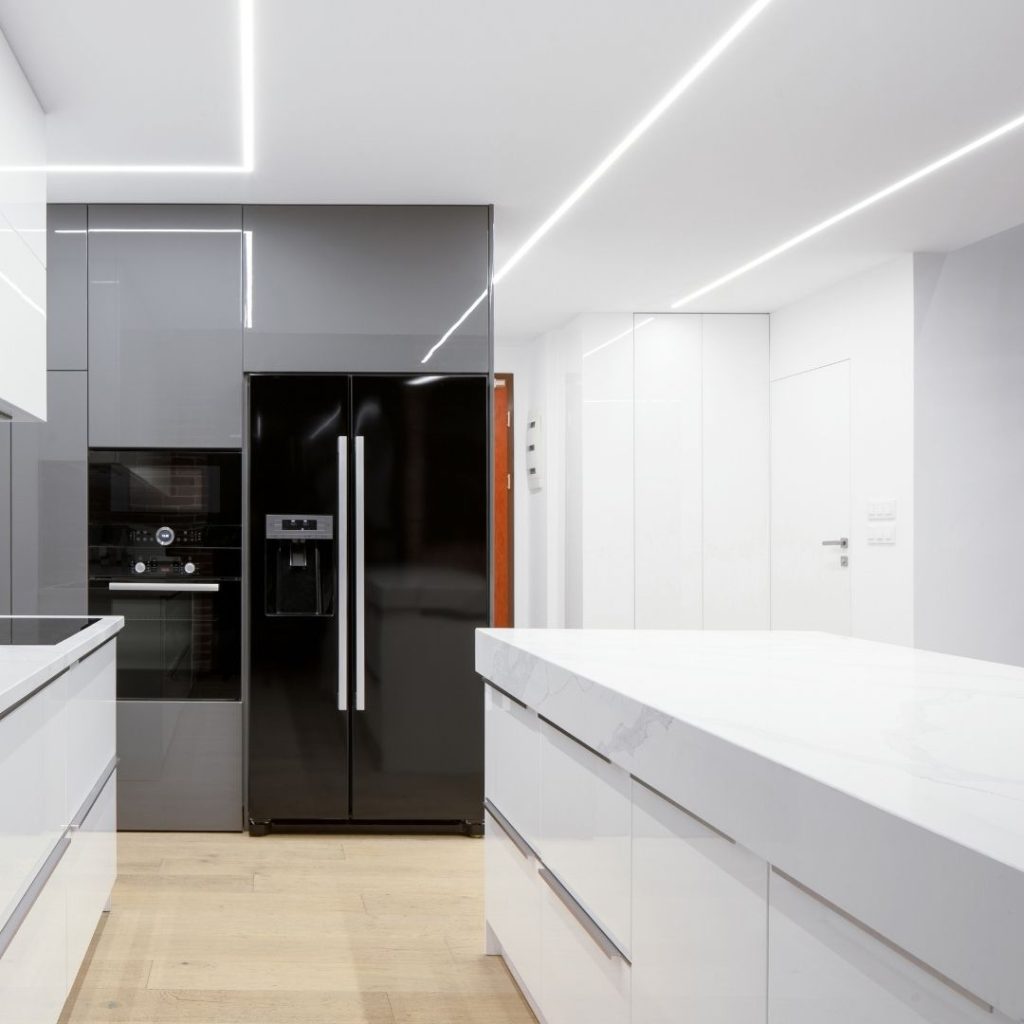
4. Evaluating LED Strip Runs: Are They Over-Extended or Facing Heat Problems?
While LED strip lights offer a flexible lighting solution, they come with certain limitations that must be observed. Over-extended runs can lead to voltage drops, causing the modules at the far end to fail, or the adhesive backing may detach in warm or damp conditions.
What to Verify:
- Ensure that strip runs adhere to the maximum length recommended by the manufacturer.
- In outdoor or humid areas, utilise appropriately rated IP-rated strips and drivers for enhanced safety.
- Check that heat is not being trapped behind the strips; recessed or enclosed channels must allow for adequate cooling.
- Inspect adhesive mounts to ensure cleanliness; if the strips have fallen, connections may have become compromised.
Significance in Australia: Lighting product regulations stipulate that fixtures and strips must be properly certified and installed by qualified professionals when incorporated into mains circuits, thereby guaranteeing compliance and safety standards are maintained.
5. Investigating Malfunctions in Your LED Modules or Chips
In infrequent cases, the LED modules themselves may fail, particularly if they have been subjected to excessive heat, over-current situations, or poor installation practices.
If one section of modules is dark while others are functioning correctly, and you have ruled out issues with the power supply and connections, it may be necessary to replace the malfunctioning modules.
Key Considerations for Replacement:
- If the system is still under warranty, ensure that replacement modules or strips are installed according to the original specifications.
- When replacing, confirm that the new modules align with the original specifications for voltage, colour temperature, and current requirements.
- If the replacement requires any alterations to wiring or switching drivers, a licensed electrician should perform the work to guarantee compliance and safety.
6. Adopting Smart Solutions to Prevent Future LED Lighting Challenges
Proactive maintenance can significantly decrease the likelihood of LED failures and prolong their operational lifespan. Here are some best practices to consider:
- Always select LED strips and fixtures that display the RCM (Regulatory Compliance Mark) and comply with Australian standards.
For additional information, refer to resources from the Australian Lighting Council. - Ensure that your electrician verifies that drivers and dimmers are rated for LED loads to avert compatibility issues.
- Maintain effective cooling and ventilation behind downlights or strips to prevent overheating.
- Avoid connecting different batches of LED strips in series, as voltage mismatches can lead to failures.
- Schedule a comprehensive electrical inspection every 3 to 5 years, especially for integrated lighting circuits, to ensure continued safety and compliance.
When Is It Necessary to Contact a Licensed Electrician for Support?
If you experience any of the following issues, cease using the circuit immediately and reach out to a qualified electrician:
- Warm or excessively hot light fittings or driver units
- Discoloured or charred wiring insulation or terminal blocks
- Lights that go completely dark following a DIY fix
- Multiple lights on a circuit failing in quick succession
In Victoria and across Australia, all mains-voltage lighting installations, wiring alterations, or fault-finding must be conducted by a licensed electrician, in accordance with the standards set forth by AS/NZS 3000:2018 and state licensing requirements. Engaging in DIY work may void warranties, insurance coverage, and could infringe legal regulations.
Essential Tips for Effectively Maintaining Your LED Lighting System
LED lighting provides unmatched efficiency, durability, and design flexibility, but these benefits can only be realised when systems are installed and maintained correctly.
If your LED lights are malfunctioning or flickering, the underlying cause typically relates to the driver, wiring connections, dimmer compatibility, or load issues, rather than the LED unit itself.
For homeowners situated in Melbourne’s outer eastern suburbs, the most effective course of action is to consult a licensed electrician who is well-acquainted with local regulations and lighting standards. While resolving the issue with the light itself may appear straightforward, ensuring its ongoing reliability and safety is where the true value lies.
The Article: Fix LED Lights Not Working: Essential Tips for Homeowners first appeared on https://writebuff.com
The Article LED Lights Not Working? Essential Tips for Homeowners Was Found On https://limitsofstrategy.com